Prenatal Yoga: For Calm and Empowered Birth Journey
Pregnancy is a profound journey, marked by excitement, anticipation, and often, moments of uncertainty. For expectant mothers in Vienna, embracing prenatal yoga can offer a sanctuary of calm, while also preparing the body and mind for a smoother birth experience. As a Prenatal Doula, I, Mona Alkhelewi, have witnessed the transformative power of prenatal yoga in helping women feel confident, connected, and empowered throughout their pregnancy journey.
Understanding Prenatal Yoga
Prenatal yoga is a gentle and mindful form of exercise specifically designed for pregnant women. Unlike traditional yoga, it focuses on postures, breathing techniques, and relaxation practices that cater to the changing needs of the body during pregnancy. From easing physical discomfort to reducing stress, prenatal yoga provides a holistic approach to nurturing both mother and baby.
In Vienna, expectant mothers seeking prenatal yoga Wien can find specialised classes that emphasise safety, alignment, and mindful movement. These classes are designed to support women at all stages of pregnancy, providing a structured yet flexible routine that adapts to each individual's needs.
The Physical Benefits of Prenatal Yoga
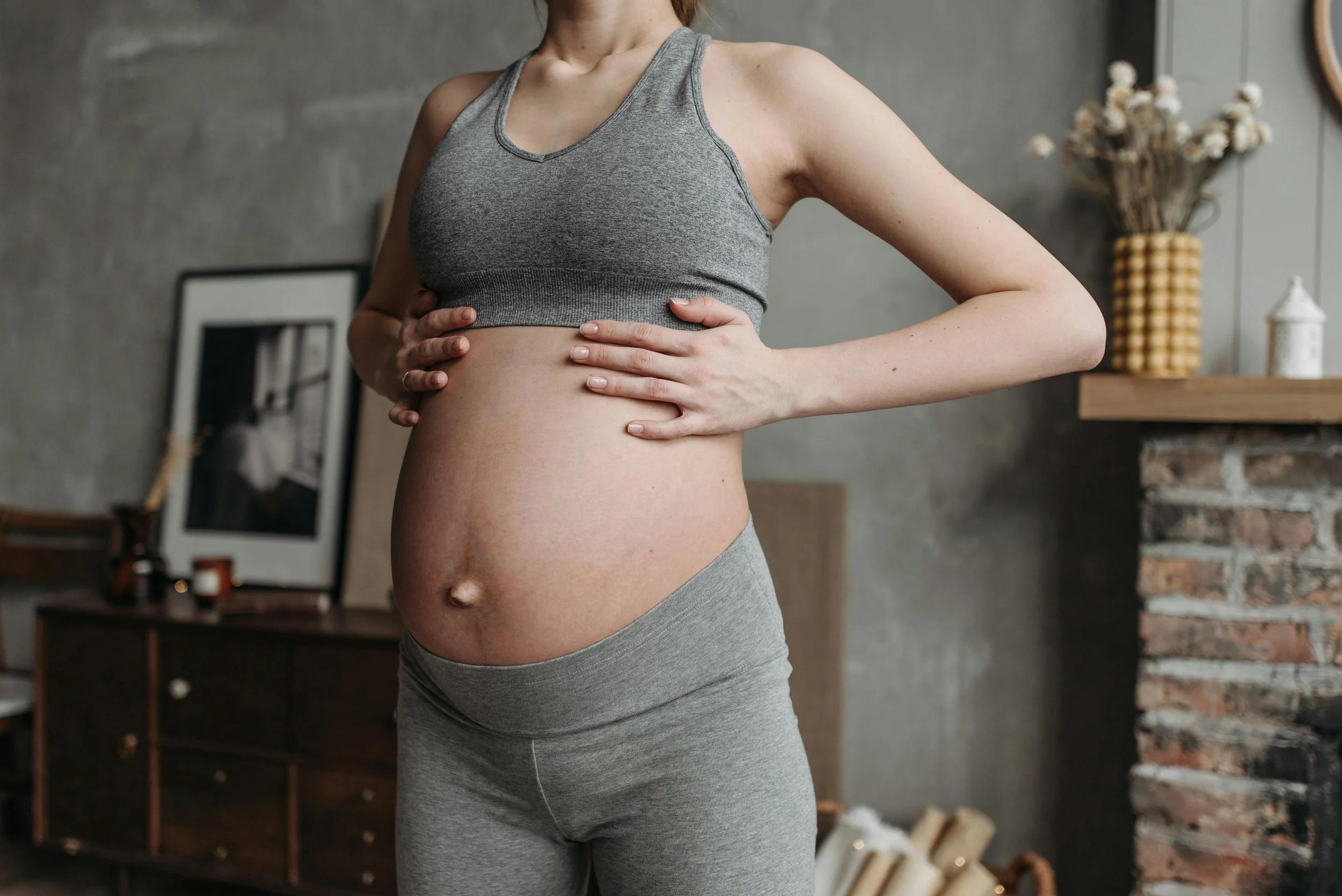
One of the most immediate benefits of prenatal yoga is its ability to alleviate common pregnancy discomforts. Gentle stretching and poses help relieve back pain, reduce swelling, and improve posture, which is particularly important as the body adapts to a growing belly.
Practicing prenatal yoga also enhances strength and flexibility, preparing the muscles for the demands of labour. Core, pelvic floor, and lower back muscles are gently strengthened, which can support a more comfortable birthing experience. By focusing on breath and movement, women learn to connect with their bodies, understanding how to move in ways that minimise strain and maximise comfort.
In addition, prenatal yoga encourages better circulation and reduces fluid retention, which are common challenges during pregnancy. The combination of movement and deep breathing can also improve energy levels, helping women feel more resilient throughout their pregnancy.
Mental and Emotional Benefits
Pregnancy is not only a physical journey but also an emotional one. Hormonal changes, sleep disruptions, and the anticipation of labour can create stress and anxiety. Prenatal yoga offers a powerful tool for managing these challenges.
Through mindful breathing exercises, meditation, and relaxation techniques, women can cultivate a sense of inner calm. This not only enhances overall well-being but also equips them with coping mechanisms for labour. The practice encourages present-moment awareness, allowing expectant mothers to connect deeply with their growing baby and embrace the changes happening within their bodies.
For women in Vienna, engaging in prenatal yoga with a Doula in Vienna or within a supportive community can provide additional reassurance. Being surrounded by others on a similar journey fosters connection, understanding, and emotional support, which is invaluable during pregnancy.
Preparing Your Body for Labour
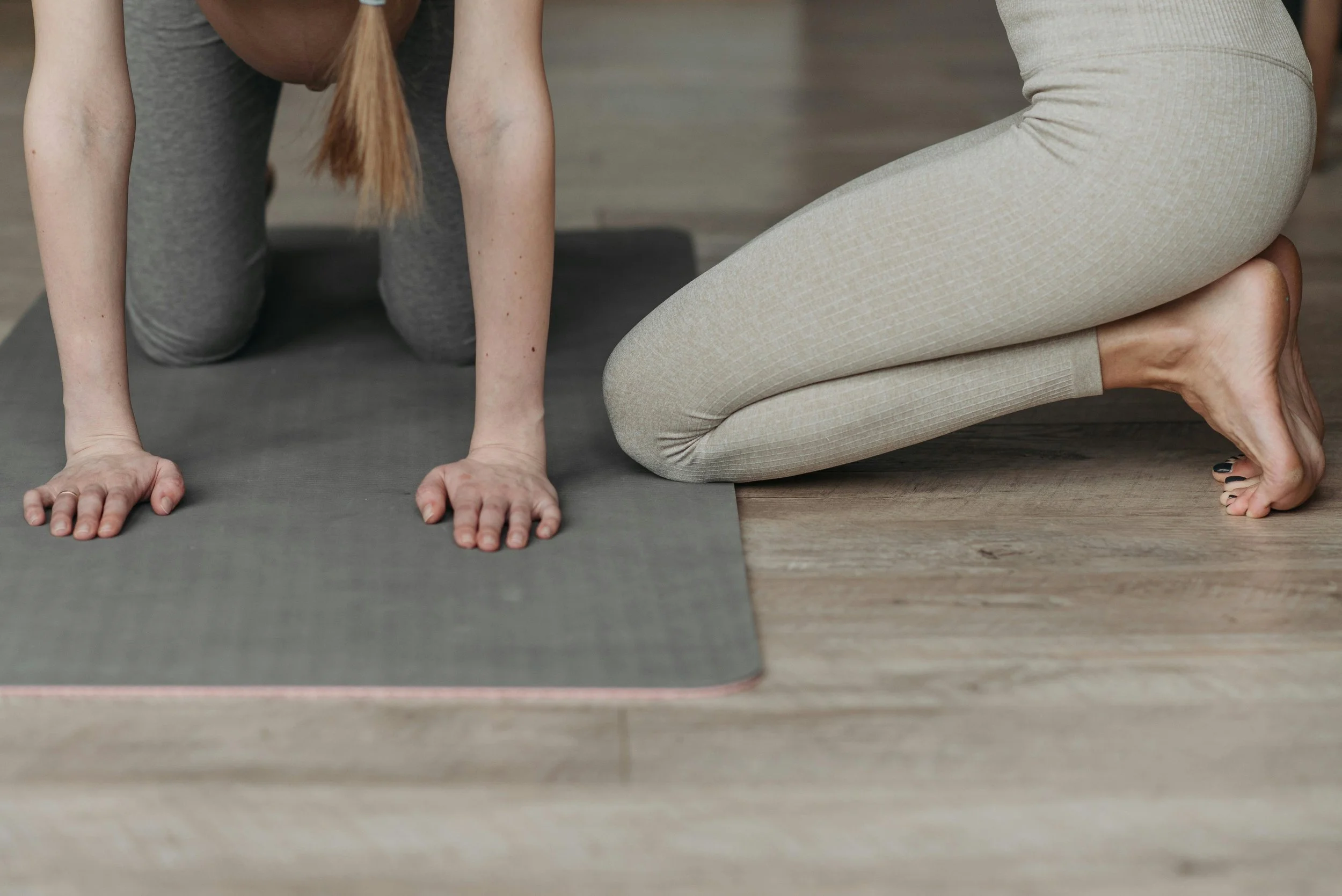
A key aspect of prenatal yoga is its role in preparing your body for labor. Many yoga postures are specifically designed to open the hips, strengthen the pelvic floor, and increase flexibility, all of which can contribute to a smoother birthing experience.
Breathing techniques, such as deep diaphragmatic breathing and rhythmic exhalations, help women manage pain and stay focused during labour. By practising these methods regularly in a calm and supportive environment, expectant mothers can approach labour with confidence and a sense of empowerment.
Moreover, prenatal yoga encourages body awareness and mindfulness. Learning how to relax specific muscle groups, maintain good posture, and adapt movements to changing comfort levels can make a tangible difference during labour. This preparation reduces tension and supports a more natural and connected birthing process.
Postpartum Support and Recovery
The benefits of prenatal yoga extend beyond pregnancy. Engaging in these practices can facilitate postpartum support, aiding recovery after birth. Gentle stretching, mindful breathing, and restorative postures help the body regain strength, reduce tension, and promote overall well-being in the weeks following delivery.
New mothers often face challenges such as back pain, fatigue, and emotional adjustment. By maintaining a connection to the principles of prenatal yoga, they can navigate postpartum recovery with a sense of calm and resilience. As a Prenatal Doula, I often guide mothers through modified postnatal yoga routines, ensuring that they continue to nurture their bodies while attending to the needs of their newborns.
Choosing the Right Prenatal Yoga Class in Vienna
Selecting a suitable prenatal yoga Wien class is essential for a safe and beneficial experience. Look for classes that are specifically tailored to pregnant women, taught by experienced instructors who understand the physiological changes during pregnancy.
It is important that the class prioritises gentle movements, proper alignment, and modifications for different stages of pregnancy. Whether you are in your first trimester or approaching full term, the right class should offer options that respect your comfort and energy levels.
Many prenatal yoga classes in Vienna also incorporate education about pregnancy, birth, and postpartum care. This holistic approach not only enhances physical well-being but also empowers women with knowledge, confidence, and community support.
Integrating Prenatal Yoga with Doula Support
Working with a Prenatal Doula in conjunction with prenatal yoga can enhance the overall pregnancy experience. A doula provides continuous support, guidance, and reassurance, complementing the physical and emotional benefits of yoga practice.
During labour, techniques learned in prenatal yoga—such as breathing, relaxation, and position changes—can be reinforced and guided by a doula, helping women manage pain and maintain focus. This integrated approach creates a supportive environment that honours the individual needs of each mother, ensuring a more calm and empowered birth journey.
Mindful Practices for Everyday Life
Prenatal yoga is not limited to the studio; it can be incorporated into daily life. Short sessions of gentle stretching, mindful breathing, or meditation can be practised at home, providing moments of peace and self-care.
Simple exercises, such as pelvic tilts, cat-cow stretches, or seated breathing, can relieve tension, improve circulation, and enhance connection with your baby. These mindful practices also encourage reflection, self-awareness, and emotional resilience, equipping mothers to navigate the physical and emotional demands of pregnancy with confidence.
Connecting with Your Baby Through Prenatal Yoga
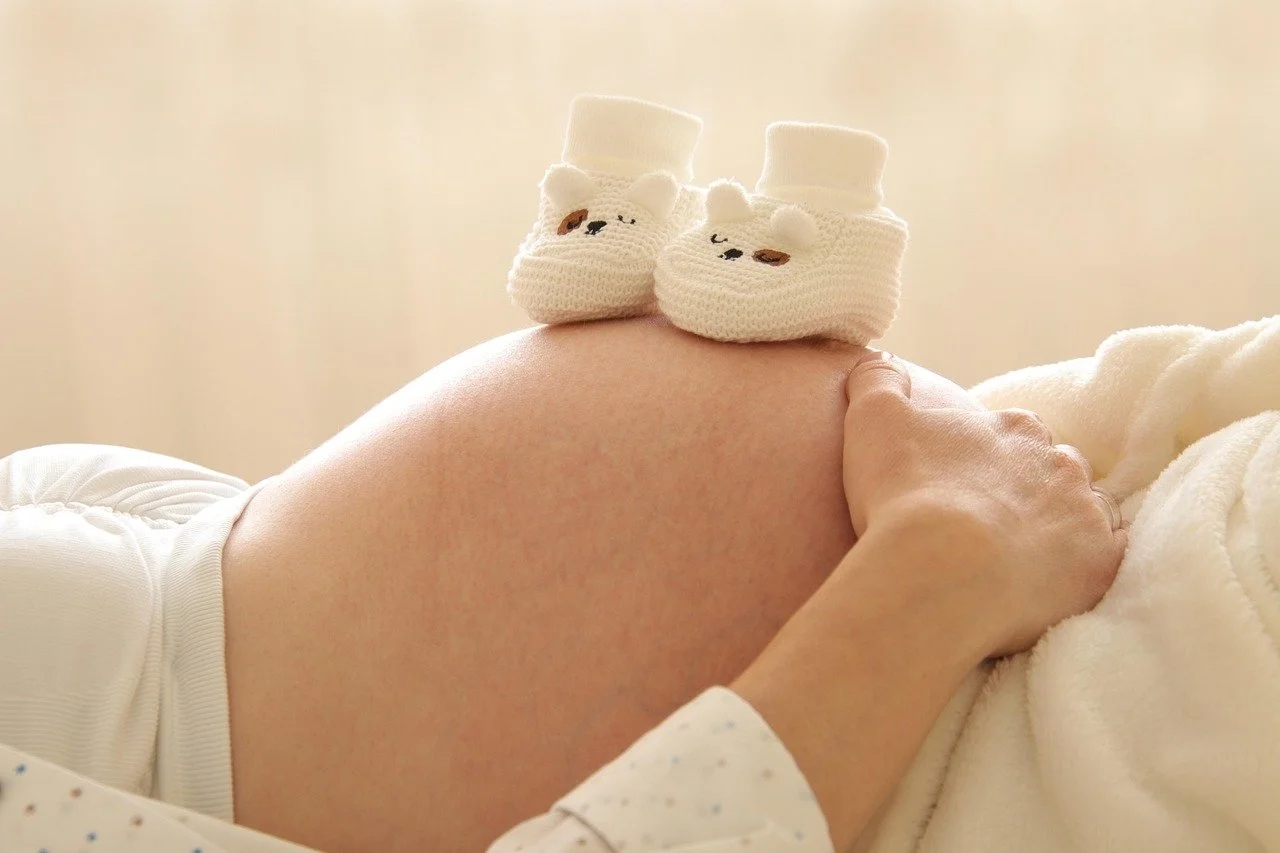
One of the most profound aspects of prenatal yoga is the opportunity to connect with your baby. Focused breathing, meditation, and gentle movement foster a sense of attunement and bonding.
As the body moves through poses designed to open the hips and release tension, mothers can visualise creating space for their baby and cultivating a nurturing environment. This intentional connection strengthens the emotional bond, promoting a sense of love, care, and presence that extends beyond birth.
For expectant mothers in Vienna, combining prenatal yoga with doula support enhances this connection, providing guidance, reassurance, and education that reinforces the bond between mother and child.
Common Myths and Misconceptions
Some women may worry that yoga during pregnancy is risky or too challenging. In reality, prenatal yoga is carefully adapted to ensure safety and comfort. Instructors provide modifications, props, and guidance to accommodate different stages of pregnancy and varying levels of fitness.
Another misconception is that prenatal yoga is only about physical exercise. While the postures are important, the mental and emotional aspects—such as breath awareness, mindfulness, and stress reduction—are equally critical. Combining these elements creates a balanced approach that prepares women holistically for labour and postpartum recovery.
Conclusion
Prenatal yoga offers a transformative journey for expectant mothers, blending physical preparation, emotional support, and mindful connection with the baby. For women in Vienna, engaging in prenatal yoga Wien with the guidance of a Prenatal Doula or experienced instructor can provide the tools, confidence, and community necessary for a calm and empowered birth experience.
By integrating yoga into daily routines, practising mindful breathing, and connecting with supportive networks, mothers can approach labour with resilience, clarity, and empowerment. As a dedicated Doula in Vienna, I, Mona Alkhelewi, am committed to supporting women through every stage of pregnancy and postpartum recovery, ensuring that they feel nurtured, confident, and ready for the beautiful journey of birth.
Frequently Asked Questions (FAQs)
1. Is prenatal yoga safe for all stages of pregnancy?
Yes, prenatal yoga is designed to accommodate all stages of pregnancy. Classes offer modifications to ensure safety and comfort, allowing mothers to practice safely from the first trimester to full term.
2. Can prenatal yoga help with labour pain?
Absolutely. Prenatal yoga incorporates breathing techniques, postures, and relaxation practices that can help manage labour pain and support a calmer birthing experience.
3. How often should I practice prenatal yoga?
Ideally, practicing 2–3 times per week can provide physical, mental, and emotional benefits. Even short daily sessions at home can support wellbeing and prepare the body for labour.
4. Do I need to be fit or experienced in yoga to start?
No prior yoga experience is necessary. Prenatal yoga classes are tailored for all fitness levels, focusing on safe and gentle movements appropriate for pregnancy.
5. Can I continue yoga after giving birth?
Yes. Postnatal yoga helps support recovery, restore strength, and promote emotional wellbeing. Many principles from prenatal yoga, such as mindful breathing and gentle stretches, are beneficial after birth.
6. How does a doula complement prenatal yoga?
A doula provides emotional support, education, and guidance during pregnancy, labour, and postpartum. Combining doula support with prenatal yoga enhances confidence, coping strategies, and overall empowerment throughout the birth journey.