What Is the 6 Week Rule After Birth?
Bringing a baby into the world is a life-changing experience, and the weeks that follow are just as important as the birth itself. As a doula, I often guide families through what is commonly referred to as the 6 week rule after birth, also known as the postpartum 6 week rule. This period is not about rigid restrictions, but about allowing your body, mind, and emotions the time and care they need to recover after childbirth.
In Austria, where a strong emphasis is placed on maternal wellbeing and recovery, understanding this six-week period can make a significant difference in how you heal and adjust to life with your newborn. In this article, I will walk you through what the postpartum 6 week rule really means, what changes to expect, and why having the right support, including postpartum emotional support, is essential.
Understanding the 6 Week Rule After Birth
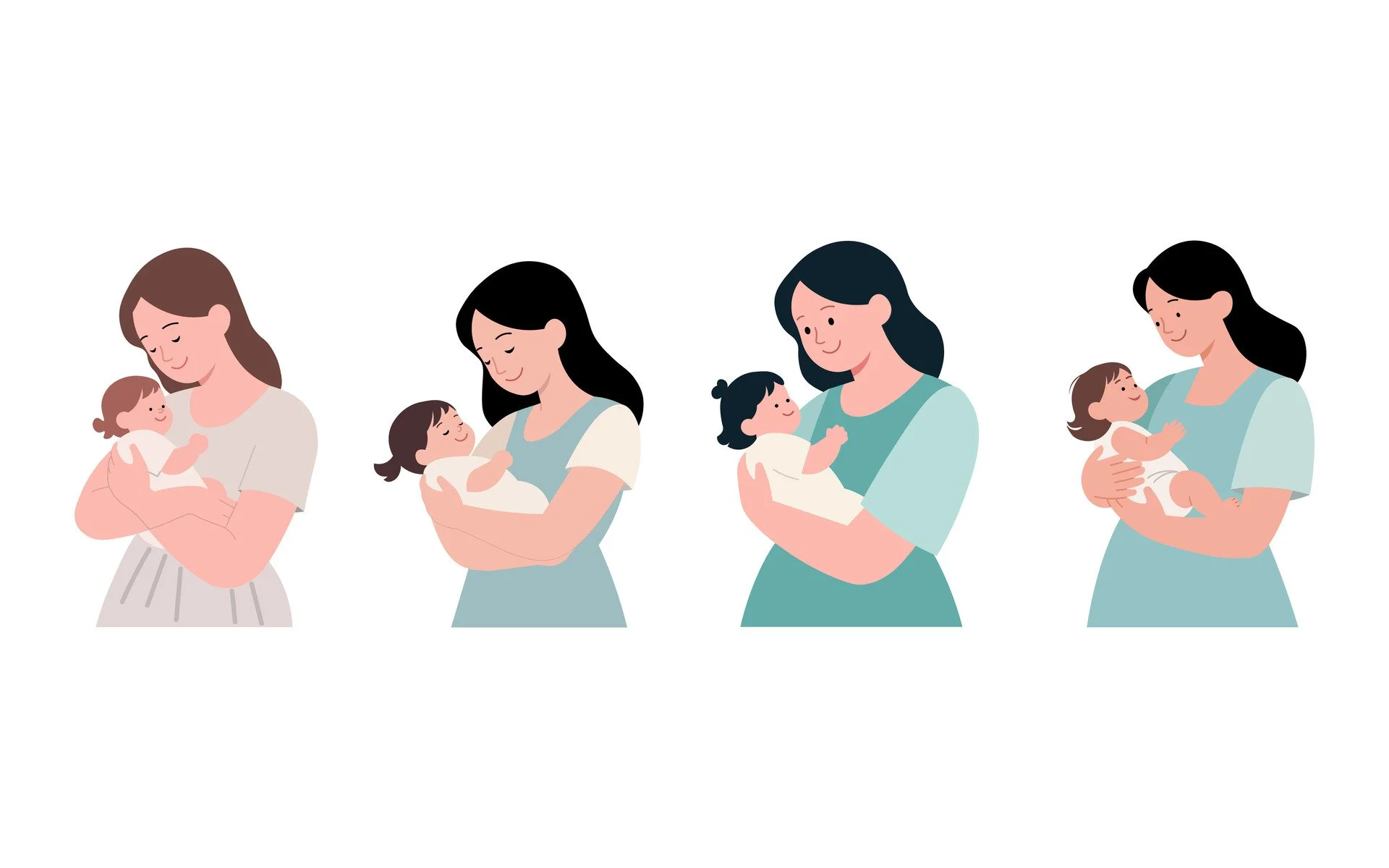
The 6 week rule after birth refers to the first six weeks following delivery, a critical recovery phase where your body gradually returns to its pre-pregnancy state. During this time, your uterus shrinks back to its original size, your hormones shift significantly, and your body heals from either vaginal birth or caesarean section.
This period is often marked by a follow-up appointment around six weeks postpartum, where a healthcare provider checks your physical recovery, including healing of stitches if present, uterine involution, and overall wellbeing. However, the idea of the “rule” goes beyond just a medical check-up. It is about giving yourself permission to rest, recover, and adapt.
For many women, this time can feel overwhelming. You are healing physically while also learning to care for a newborn. This is where understanding recovery after childbirth becomes vital.
Physical Recovery During the First Six Weeks
Healing After Vaginal or Caesarean Birth
Your body undergoes significant changes immediately after birth. Vaginal soreness, perineal healing, or surgical recovery after a caesarean are all part of this phase. Bleeding, known as lochia, is expected and can last several weeks as your body sheds the uterine lining.
The uterus gradually contracts and shrinks, which may cause cramping, especially during breastfeeding. Breasts may become full or tender as milk supply establishes, and this can sometimes lead to discomfort.
Hormonal Changes and Their Impact
Hormonal fluctuations during the postpartum 6 week rule are intense. After delivery, levels of pregnancy hormones drop quickly, which can affect mood, energy levels, and even physical sensations. These shifts are entirely normal but can feel unexpected if you are not prepared.
Fatigue and Physical Adjustment
Sleep deprivation is common during this period. Your body is working hard to recover while also producing milk and adjusting to a new routine. Rest is not a luxury during these weeks; it is essential.
As a doula, I always emphasise that the 6 week rule after birth is not about “bouncing back” but about allowing your body to heal at its own pace.
Emotional Wellbeing and Postpartum Emotional Support
Navigating Emotional Changes
The emotional journey after birth can be just as intense as the physical one. Many women experience mood swings, often referred to as “baby blues,” which can include feelings of sadness, anxiety, or irritability. These are typically short-lived and linked to hormonal changes.
However, some mothers may experience more persistent emotional challenges. This is why postpartum emotional support is so important. Having someone who understands your experience and can offer reassurance and guidance can make a profound difference.
The Role of Connection and Support
Isolation can make the postpartum period more difficult. In Austria, community support, whether through family, midwives, or doulas, plays a key role in helping new mothers feel supported and understood.
As a doula, I provide a safe space where mothers can express their feelings without judgement. This emotional care is just as important as physical recovery.
The Six-Week Check-Up: What to Expect
Around six weeks after birth, you will typically have a postpartum check-up. This appointment focuses on assessing your recovery and addressing any concerns you may have.
Your healthcare provider may check how your uterus has healed, evaluate any stitches or surgical scars, and discuss topics such as bleeding, pain, and breastfeeding. It is also an opportunity to talk about your emotional wellbeing, energy levels, and any challenges you are facing.
This appointment often marks the point where some women are cleared to resume certain activities. However, it is important to remember that healing is not the same for everyone. The postpartum 6 week rule is a guideline, not a strict deadline.
Why a Doula Is Important During the Postpartum Period
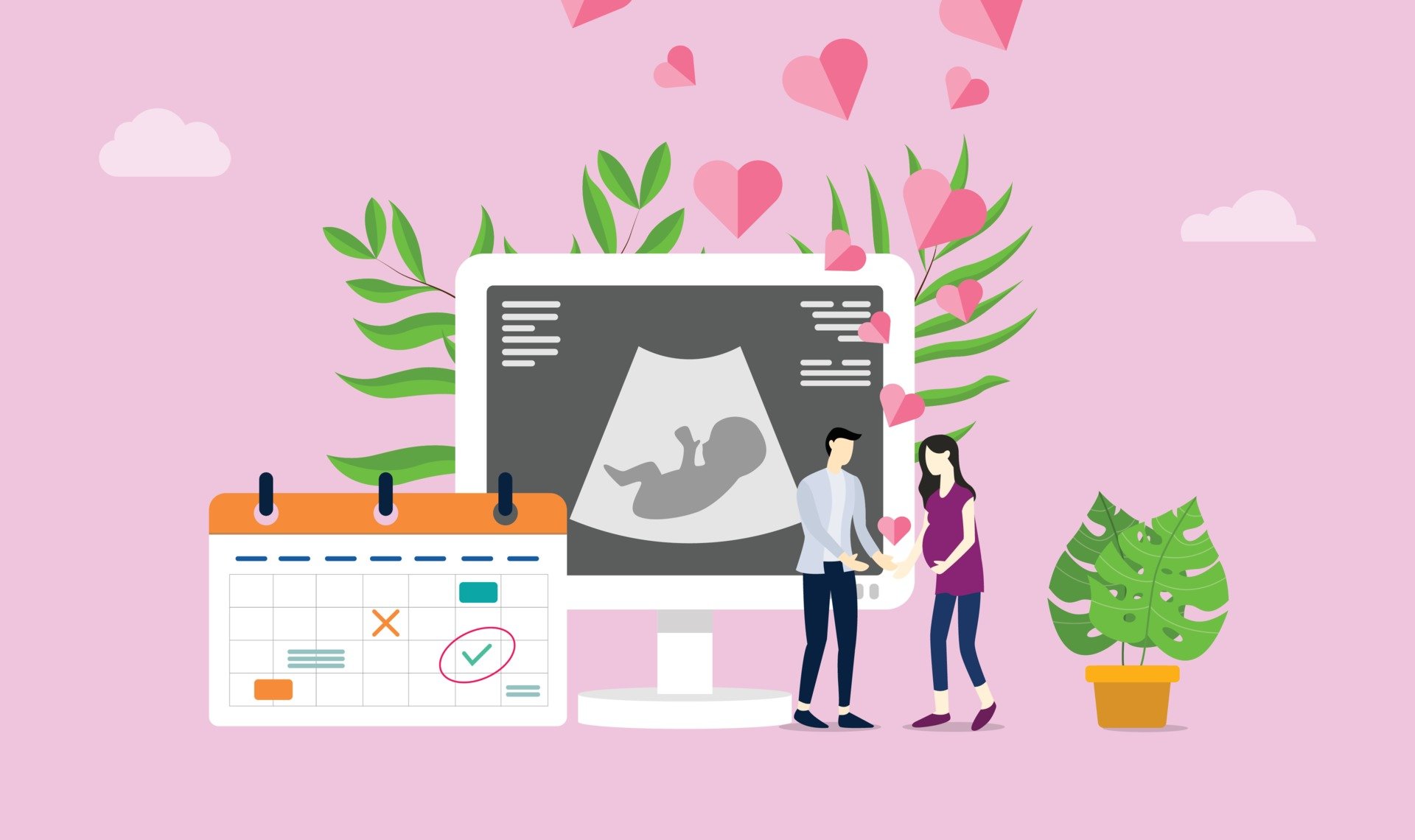
Continuous Care Beyond Birth
Many people think of doulas as support during labour, but our role extends far beyond that. The postpartum period is where guidance and reassurance are often needed the most.
Understanding why a doula is important becomes clear when you consider the many changes happening during the first six weeks. From helping with newborn care to supporting your emotional wellbeing, a doula provides personalised, continuous care.
Supporting Recovery After Childbirth
As a BRM (Body Ready Method) professional, my specialty lies in preparing and supporting the body for birth and recovery. Through my private “Prepare Your Body for Birth” sessions, I help women actively prepare both physically and mentally for what lies ahead.
Additionally, the online programme available through my affiliate link offers structured guidance to support your body during pregnancy and into the postpartum period. This proactive approach can significantly improve your experience of recovery after childbirth, making the six-week period more manageable and empowering.
Emotional and Practical Support
A doula offers more than information. We provide reassurance, help you understand what is normal, and support you in making informed decisions. Whether it is helping you establish feeding routines or simply being there to listen, this support can ease the transition into motherhood.
Rest, Recovery, and Realistic Expectations
Letting Go of Pressure
One of the biggest challenges during the postpartum 6 week rule is the pressure to “return to normal.” In reality, your body has gone through a profound transformation, and it needs time to heal.
Rest is a fundamental part of recovery. Taking time to recover is not a sign of weakness; it is a necessary step towards long-term wellbeing.
Gradual Return to Activity
Physical activity should be reintroduced gradually and only when your body feels ready. Gentle movement, such as walking, can support circulation and recovery, but intense exercise should wait until you have been medically cleared.
Listening to your body is key. Every woman’s recovery timeline is different, and comparing yourself to others can create unnecessary stress.
Breastfeeding and Body Adjustments
Establishing Feeding Routines
Breastfeeding can take time to establish, and it is normal to encounter challenges in the early weeks. Your body is adjusting to milk production, and your baby is learning how to feed effectively.
Support during this time can make a significant difference. Whether it is guidance on positioning or reassurance during difficult moments, having someone to turn to can ease the process.
Physical Sensations and Changes
Breast tenderness, engorgement, and sensitivity are common during the first weeks. These changes are part of your body adapting to feeding your baby and usually improve over time.
The Importance of Postpartum Emotional Support
Recognising Your Needs
The postpartum period is not only about caring for your baby but also about caring for yourself. Acknowledging your emotional needs is essential.
Feelings of overwhelm, uncertainty, or even self-doubt are common. Having access to postpartum emotional support ensures that you do not have to navigate these feelings alone.
Building a Support Network
In Austria, many families benefit from a combination of professional and personal support. This might include midwives, doulas, family members, and community resources.
As a doula, I encourage mothers to build a network that supports both their physical and emotional recovery.
How to Honour the 6 Week Rule After Birth
Creating a Healing Environment
Your surroundings can influence your recovery. A calm, supportive environment allows you to focus on healing and bonding with your baby.
Prioritising Self-Care
Self-care during the postpartum 6 week rule does not need to be complicated. Simple practices such as resting, nourishing your body, and asking for help can make a meaningful difference.
Embracing the Transition
Motherhood is a transition, not a destination. Allowing yourself time to adjust can help you feel more confident and connected during this new phase of life.
Final Thoughts
The 6 week rule after birth is not about limitations; it is about protection, recovery, and care. It is a reminder that your body and mind deserve time to heal after childbirth.
As a doula, I am here to support you through this journey. Whether through my BRM-based sessions or my recommended online programme, my goal is to help you feel prepared, supported, and empowered.
Understanding the postpartum 6 week rule allows you to approach this period with realistic expectations and compassion for yourself. With the right support and knowledge, these first weeks can become a foundation for long-term wellbeing.
FAQs
-
The 6 week rule after birth refers to the first six weeks postpartum, a critical period for physical and emotional recovery after childbirth.
-
The postpartum 6 week rule is important because it allows your body time to heal, your hormones to stabilize, and you to adjust to life with your newborn.
-
Gentle movement may be possible, but more intense exercise should usually wait until after your six-week check-up and medical clearance.
-
Your healthcare provider will assess your physical recovery, discuss any concerns, and evaluate your overall wellbeing.
-
Understanding why a doula is important becomes clear during postpartum, as they provide emotional, physical, and practical support tailored to your needs.
-
Focusing on rest, nutrition, and gradual activity can support recovery after childbirth, along with seeking professional guidance when needed.
-
Postpartum emotional support can include doulas, midwives, family support, and community resources that help you navigate emotional changes.
-
Yes, emotional changes are common due to hormonal shifts and life adjustments. Support can help you manage these feelings effectively.