Gentle Yoga for Prenatal and Postpartum Women
Pregnancy and postpartum recovery are deeply transformative stages in a woman’s life. During these periods, the body changes rapidly, emotions shift, and new challenges emerge both physically and mentally. Gentle yoga for prenatal and gentle yoga for postpartum women can provide a supportive and nurturing approach to movement that respects these changes while promoting strength, relaxation, and connection.
As a doula and BRM pro, I often see how mindful movement can help women feel more confident and supported throughout pregnancy and beyond. Gentle yoga offers a safe and accessible way to reconnect with your body, build resilience, and prepare both physically and emotionally for birth and recovery. Whether you are expecting or navigating life as a new mother, gentle yoga can play a meaningful role in postpartum care and overall wellbeing.
Understanding Gentle Yoga for Prenatal Practice
Gentle yoga for prenatal women focuses on slow, mindful movement designed to support the body as it adapts to pregnancy. During this time, hormonal changes can increase flexibility by loosening ligaments, which means movements must be approached carefully and conservatively to avoid injury.
Rather than intense exercise, prenatal yoga emphasises breathing, relaxation, and gentle stretching. Many women experience tightness in areas such as the hips and lower back during pregnancy, and carefully selected poses can help ease discomfort while maintaining stability and alignment.
The goal is not to push the body further but to support it with kindness and awareness. Practising slowly and with attention to breath encourages emotional balance and helps cultivate a calm mindset that can be especially beneficial during labour.
Why Gentle Yoga Supports Pregnancy
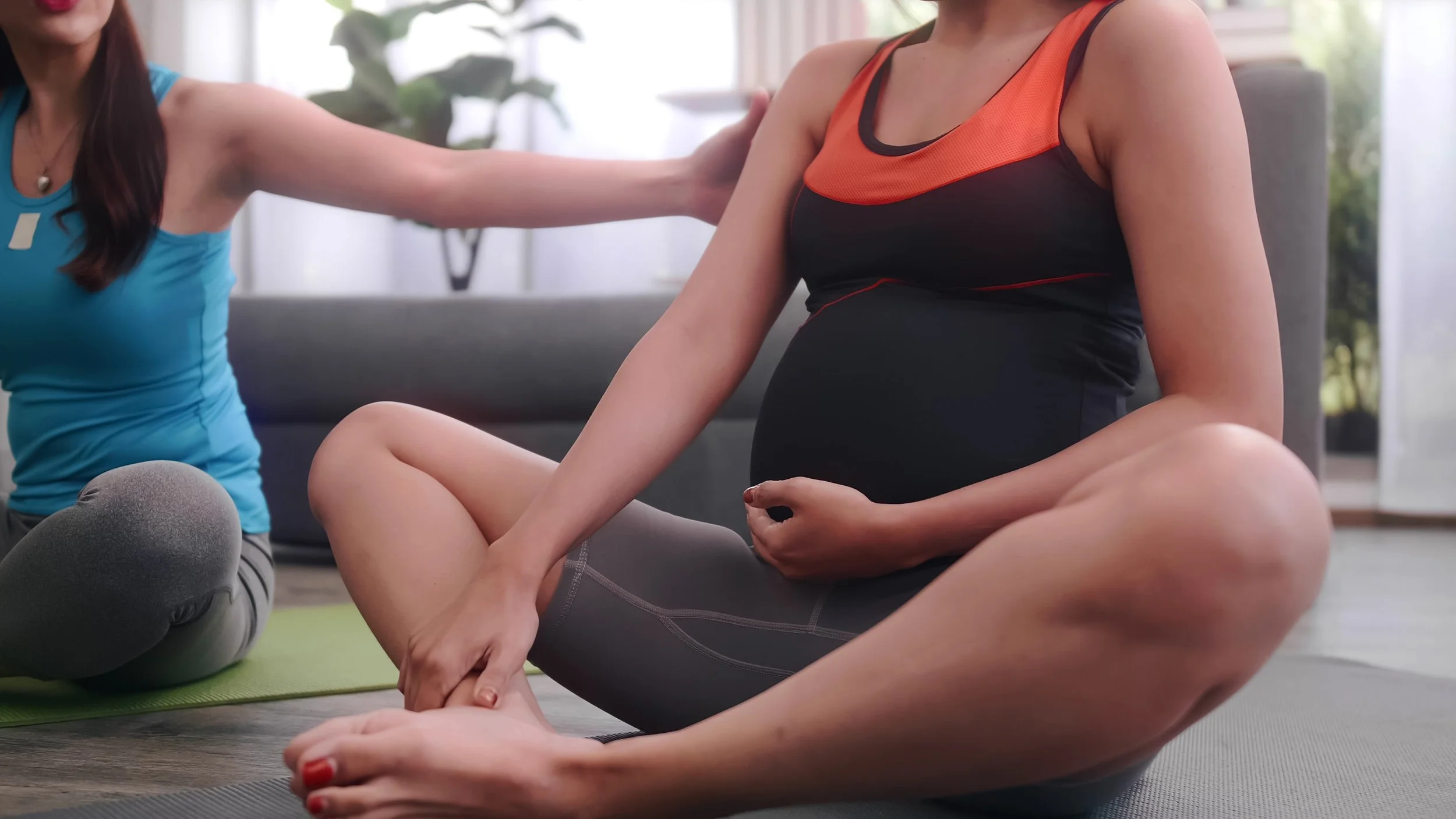
Gentle prenatal yoga sequences are designed to strengthen the body while maintaining a sense of safety and comfort. This type of practice can help improve flexibility, relieve tension, and encourage deeper breathing patterns that are useful throughout pregnancy and birth.
Connecting with the breath is one of the most important aspects. Breathing techniques learned during yoga can help regulate stress responses and provide a valuable coping tool during labour.
Additionally, prenatal yoga encourages awareness of posture and pelvic floor engagement. Strengthening and stabilising the core and pelvic region gently prepares the body for childbirth while supporting balance as the centre of gravity shifts.
Gentle Yoga for Postpartum Women: Reconnecting with the Body
The postpartum phase is a time of recovery and renewal. Gentle yoga for postpartum women helps ease the transition back into movement after birth by focusing on restoration rather than intensity.
In the early weeks following childbirth, rest remains the priority. Once cleared by a medical professional, gentle yoga allows new mothers to reconnect with their breath and gradually rebuild strength without overwhelming the body.
Movement should be slow, mindful, and filled with compassion. The body has gone through a significant experience, and gentle practices create space for healing rather than pressure.
Supporting Postpartum Recovery Through Yoga
Postpartum women often benefit from movements that reconnect the pelvic floor and core. Instead of traditional abdominal exercises, subtle engagement and awareness of pelvic muscles can help rebuild stability.
Learning to engage the pelvic floor through gentle cues, such as imagining lifting upward rather than pushing downward, supports healing while improving posture and functional movement in daily activities.
Breathwork remains a central tool during postpartum care. Deep breathing can reduce stress, support emotional regulation, and create moments of calm during the often intense early months of motherhood.
Gentle Yoga Poses for Prenatal and Postpartum Women
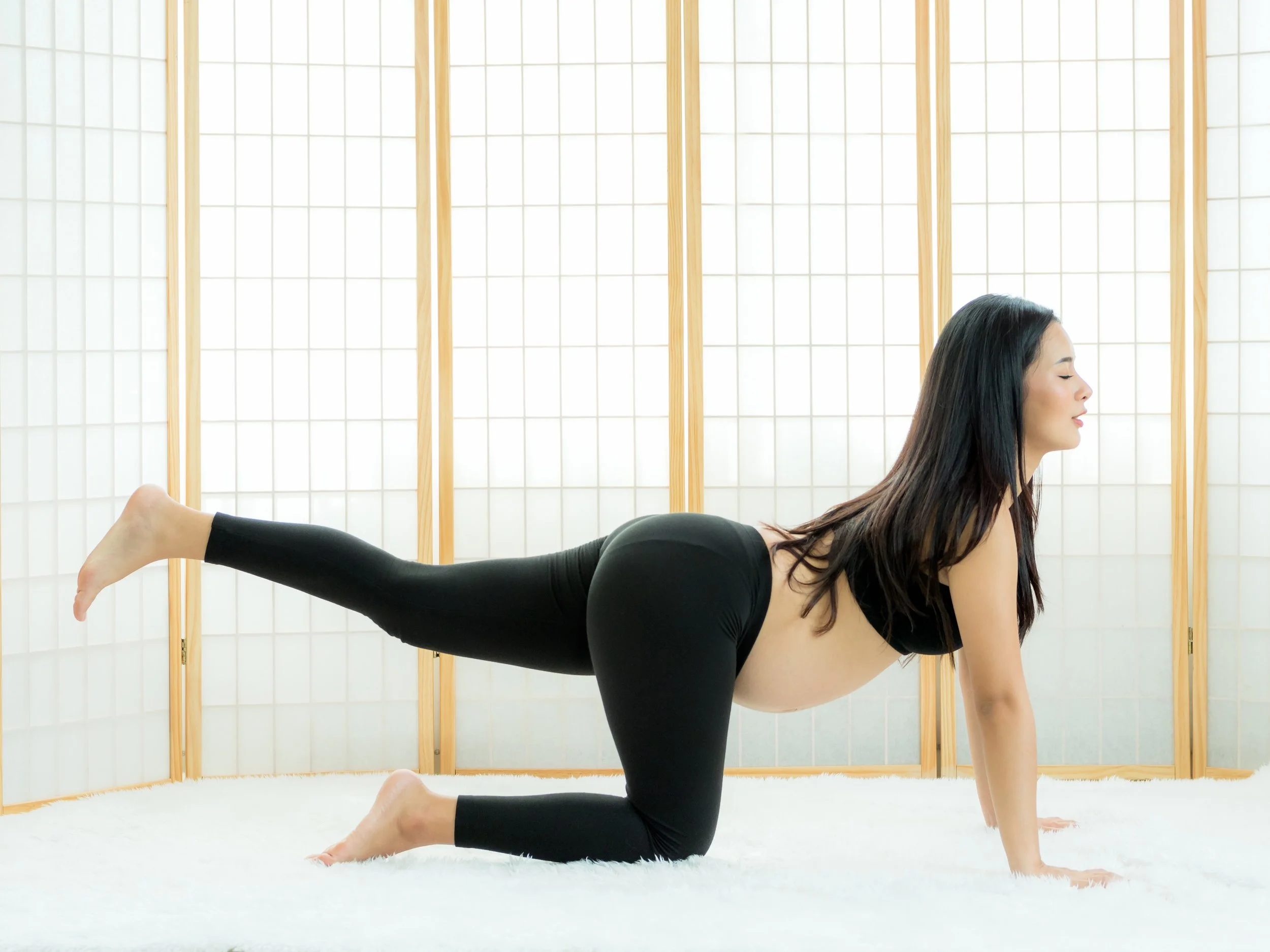
Gentle yoga sequences typically include slow, supportive poses that relieve tension and encourage mobility without strain.
One commonly recommended movement is the Cat–Cow flow, which gently mobilises the spine and helps reduce lower back discomfort. By arching and rounding the spine slowly while breathing deeply, women can ease stiffness and reconnect with body awareness.
Low lunges are another helpful pose for stretching the hips while maintaining stability. Using blocks or supports ensures there is enough space for the belly and helps maintain proper alignment throughout the movement.
Modified downward-facing dog variations, such as practising against a wall or kitchen counter, provide a gentle stretch for the spine and shoulders without excessive pressure or discomfort.
Child’s pose offers restorative support by encouraging relaxation and grounding. When supported with props, it becomes accessible and calming for both prenatal and postpartum women.
Gentle seated poses like bound angle position can help open the hips while maintaining a soothing, grounded feeling. These positions encourage relaxation and help release tension accumulated during pregnancy.
Safety Considerations for Gentle Yoga
Safety remains essential when practising gentle yoga for prenatal or postpartum women. Each pregnancy and recovery journey is unique, so listening to your body is key.
Pregnancy hormones increase flexibility, which means overstretching can become a risk. Even experienced yogis are encouraged to approach poses conservatively and avoid pushing beyond comfortable limits.
Certain poses may need to be modified or avoided altogether. For example, strong backbends or deep abdominal pressure can be unsuitable during pregnancy or early postpartum recovery. Movements that strain the abdominal area should be approached with caution, especially if abdominal separation is present.
Balance may also change during pregnancy, so practising near a wall or using support can increase safety and confidence.
The Role of Breathwork in Prenatal and Postpartum Yoga
Breathing practices are at the heart of gentle yoga for prenatal and gentle yoga for postpartum women. Learning to coordinate movement with breath promotes relaxation and enhances body awareness.
During labour, breath awareness can help manage discomfort and provide a sense of control. Many women find that focusing on slow exhalations helps them remain calm during intense moments.
Postpartum breathwork supports emotional regulation and stress management. The simple act of pausing to breathe deeply can help new mothers reconnect with themselves amidst the demands of caring for a baby.
Gentle Yoga as Emotional Support for Postpartum Women
The postpartum stage often includes emotional shifts, fatigue, and adjustment to new routines. Gentle yoga offers a space for mindfulness and self-compassion.
Even short practices can create moments of restoration. Whether practising while the baby sleeps or integrating small movements into daily routines, gentle yoga supports postpartum women by encouraging presence and emotional balance.
Yoga also fosters a sense of confidence and acceptance. By acknowledging that the body has changed and approaching movement with patience, women can rebuild strength while honouring their experiences.
Preparing the Body and Mind for Birth
Gentle yoga for prenatal women is not only about physical preparation but also mental readiness. Developing breathing skills and learning to relax during discomfort can help women approach labour with greater confidence.
As a BRM pro, my specialty lies in supporting women through programmes that actively prepare the body and mind for birth. Whether through the online programme available via my affiliate link or through my private “prepare your body for birth” sessions, integrating gentle yoga principles into preparation can help cultivate resilience, calmness, and trust in the birthing process.
The combination of breath awareness, mindful movement, and emotional preparation encourages a holistic approach that aligns beautifully with gentle yoga practices.
Gentle Yoga at Home for Austrian Mothers
Many women in Austria appreciate flexible options that fit into busy daily life. Gentle yoga can easily be practised at home, allowing mothers to move at their own pace.
Online classes or guided sequences make it easier to access prenatal and postpartum yoga without travel. Choosing teachers experienced in prenatal support ensures movements remain safe and effective.
Creating a comfortable environment with supportive props, calm surroundings, and time dedicated to self-care enhances the experience and encourages consistency.
Integrating Gentle Yoga into Postpartum Care
Postpartum care involves nurturing both body and mind. Gentle yoga can be integrated gradually, starting with breathwork and subtle movements before progressing to longer sessions.
Consistency matters more than itensity. Even brief daily practice can support recovery, reduce tension, and help postpartum women feel more grounded and energised.
Gentle yoga also encourages awareness of everyday movement, such as engaging the pelvic floor when lifting or carrying the baby. These small adjustments contribute to long-term physical health and comfort.
A Compassionate Approach to Movement
Ultimately, gentle yoga for prenatal and postpartum women is about compassion. Pregnancy and motherhood require adaptability, and yoga provides tools to navigate these transitions with greater ease.
By focusing on breathing, mindful movement, and emotional awareness, gentle yoga becomes more than exercise; it becomes a supportive ritual that nurtures confidence and wellbeing.
FAQs
1. When can I start gentle yoga during pregnancy?
Gentle yoga can typically begin once your healthcare provider confirms it is safe. Starting slowly and choosing prenatal-focused practices ensures the movements support your changing body.
2. Is gentle yoga safe for postpartum women?
Yes, gentle yoga for postpartum women is generally safe once you receive medical clearance. Begin with breathwork and restorative movements before gradually increasing activity.
3. What are the main benefits of gentle yoga for prenatal practice?
Benefits include improved flexibility, reduced stress, better posture, and preparation for labour through breathing and relaxation techniques.
4. How does gentle yoga support postpartum recovery?
Gentle yoga helps reconnect the pelvic floor and core, promotes emotional wellbeing, and supports gradual return to movement.
5. Which yoga poses are suitable during pregnancy?
Common gentle poses include Cat–Cow, low lunges with support, modified downward dog, and restorative seated positions that relieve tension safely.
6. Should beginners try prenatal yoga?
Yes, beginners can practise gentle yoga for prenatal women as long as movements are slow, modified appropriately, and guided by experienced instructors.
7. Can breathwork really help during labour?
Yes, breathing techniques learned through gentle yoga can help manage discomfort and encourage calmness during labour.
8. How often should postpartum women practise gentle yoga?
Short, consistent sessions are ideal. Even a few minutes daily can provide meaningful support postpartum.
