First Baby Checklist: What You Actually Need (According to a Doula)
Bringing your first baby home is exciting, but it can also feel overwhelming. It is easy to think you need to buy everything you see online or in baby shops. The truth is that your baby needs far less than you might expect.
As a doula, I often remind parents that preparing for a baby is about more than filling a nursery. It is about creating a safe, calm, and loving space where you and your baby can settle into life together. Having the right essentials can make those first weeks easier, but so can having the right support.
This checklist focuses on what you actually need. It covers the basics for your baby, your own recovery, and practical ways to prepare before birth. Every family is different, so use this as a guide rather than a list of things you must have.
Preparing for Baby Starts With You
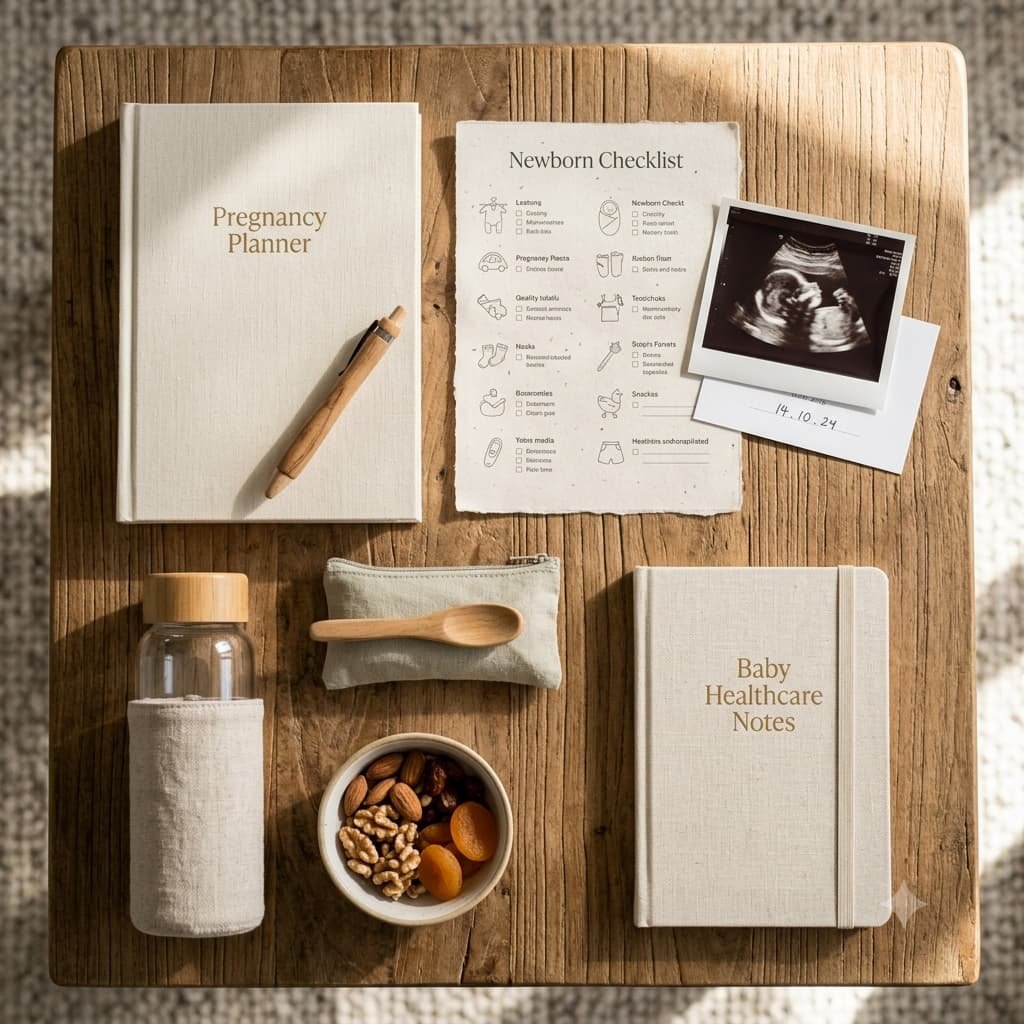
Many first-time parents spend months choosing baby products but very little time preparing for life after birth. While it is helpful to have the essentials ready, it is just as important to think about how you will care for yourself.
Before your baby arrives, try to:
Choose your baby's healthcare provider.
Learn about newborn feeding.
Prepare a few easy meals for the freezer.
Arrange support from your partner, family, or friends.
Make sure you know who to contact if you have questions after birth.
If you are working with a doula, this is also a good time to talk through your birth preferences and your plans for the first few weeks at home. Having someone to guide and reassure you can help you feel more confident as you adjust to your new role.
Remember, you do not need a perfect home or every new baby gadget. Your baby needs loving care, regular feeding, a safe place to sleep, and parents who feel supported.
Newborn Health Essentials
Newborn babies do not need a medicine cabinet full of products. A few simple health essentials are enough to help you care for your baby and know when to seek advice.
Digital thermometer
A digital thermometer is one of the most useful items you can have. If your baby seems unwell or has a fever, checking their temperature is one of the first steps before speaking with a healthcare professional.
Nasal aspirator and saline drops
Newborns often have blocked noses, especially during the first few months. Saline drops and a gentle nasal aspirator can help clear their nose and make feeding and sleeping more comfortable.
Infant first aid basics
You do not need a large first aid kit, but it is helpful to have a few simple items ready, such as baby-safe nail clippers or a nail file, cotton pads, and basic first aid supplies recommended by your healthcare provider.
Emergency contacts
Keep important phone numbers in an easy-to-find place. Include your baby's doctor, your maternity hospital, and local emergency services. Knowing who to call can help you stay calm if you ever have concerns.
Learn your baby's normal behaviour
One of the best ways to care for your newborn is to get to know them. Notice how they feed, sleep, and respond during the day. If something feels different or your baby seems difficult to wake, has trouble feeding, or has breathing problems, contact your healthcare provider straight away.
Safe Sleep Essentials
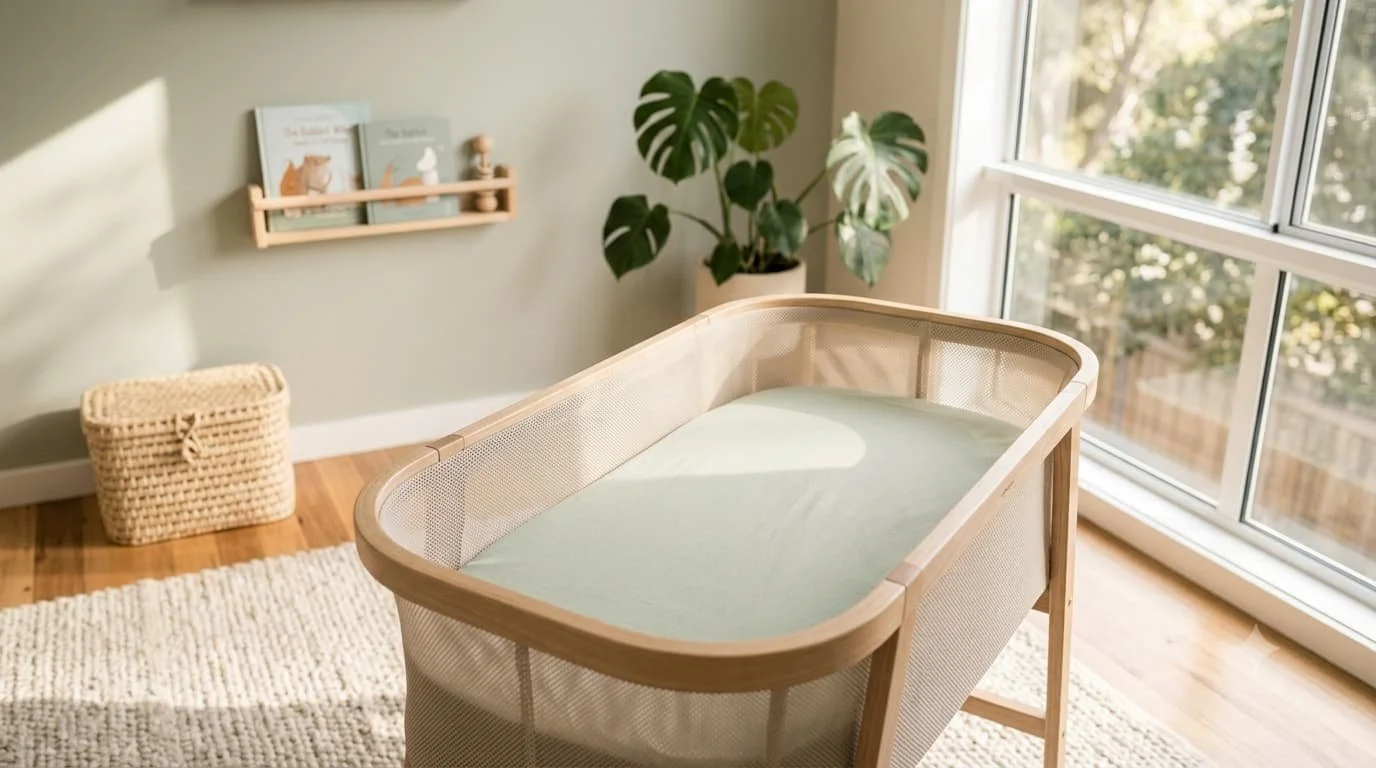
Creating a safe sleep space is one of the most important things you can do before your baby arrives.
A safe place to sleep
Your baby should have a firm, flat sleep surface, such as a cot or bassinet that meets current safety standards. A fitted sheet is all that is needed.
Avoid placing pillows, loose blankets, soft toys, or bumper pads in the sleeping area, as these can increase the risk of accidents while your baby sleeps.
Keep baby close
Many families choose to have their baby sleep in the same room during the early months. This can make night feeds easier while allowing your baby to have their own safe sleeping space.
Dress for comfort
Rather than using loose bedding, many parents find sleep sacks a simple and safe option. Dress your baby in comfortable clothing and avoid overheating the room.
Safe sleep is not about buying expensive products. It is about creating a simple environment where your baby can rest safely.
Feeding Essentials

Feeding is one of the biggest parts of caring for a newborn. Whether you breastfeed, bottle feed, or combine both, having a few essentials ready can make those early days less stressful.
If you plan to breastfeed
A comfortable chair, supportive pillows, breast pads, and plenty of water nearby can make feeding sessions more comfortable. Keep healthy snacks close by too, as feeding a newborn can take time and energy.
Remember that breastfeeding is a learning process for both you and your baby. It is normal for it to take time to feel comfortable.
If you plan to bottle feed
Have enough bottles, teats, formula if needed, and sterilising equipment ready before your baby arrives. Cleaning feeding equipment carefully is an important part of keeping your baby healthy.
Burp cloths
Burp cloths may seem simple, but they quickly become one of the most used items in your home. Keeping a few within reach during feeds can save frequent trips to the washing machine.
Whatever feeding method you choose, the goal is the same: making sure your baby is well fed, growing well, and receiving loving care. If feeding is painful, your baby is struggling to feed, or you have concerns about weight gain, speak with your healthcare provider or ask your doula for guidance on where to find the right support.
Nappy and Hygiene Essentials
Changing nappies will soon become part of your daily routine. You do not need lots of different products, but having the basics ready will make life easier.
Nappies
Whether you choose disposable or reusable nappies, have a small supply ready before your baby arrives. There is no need to buy large amounts straight away, as your baby may quickly grow into the next size.
Wipes or cotton wool
Many parents use baby wipes, while others prefer cotton wool and warm water during the first few weeks. Choose whatever feels right for your family and your baby's skin.
Barrier cream
A gentle barrier cream can help protect your baby's skin from nappy rash. Keeping the nappy area clean and dry is one of the best ways to prevent irritation.
Bath time basics
Newborn babies do not need daily baths. A small baby bath, a soft towel, and gentle baby wash are usually all you need. Bath time is also a lovely chance to slow down, connect with your baby, and enjoy a calm moment together.
Clothing
It is tempting to buy lots of tiny outfits, but simple clothing is often the most practical. Soft sleepsuits, bodysuits, socks, and a hat for cooler weather are usually enough to get started. Choose clothes that are easy to put on and take off, especially during those frequent nappy changes.
Mother's Postpartum Recovery Checklist
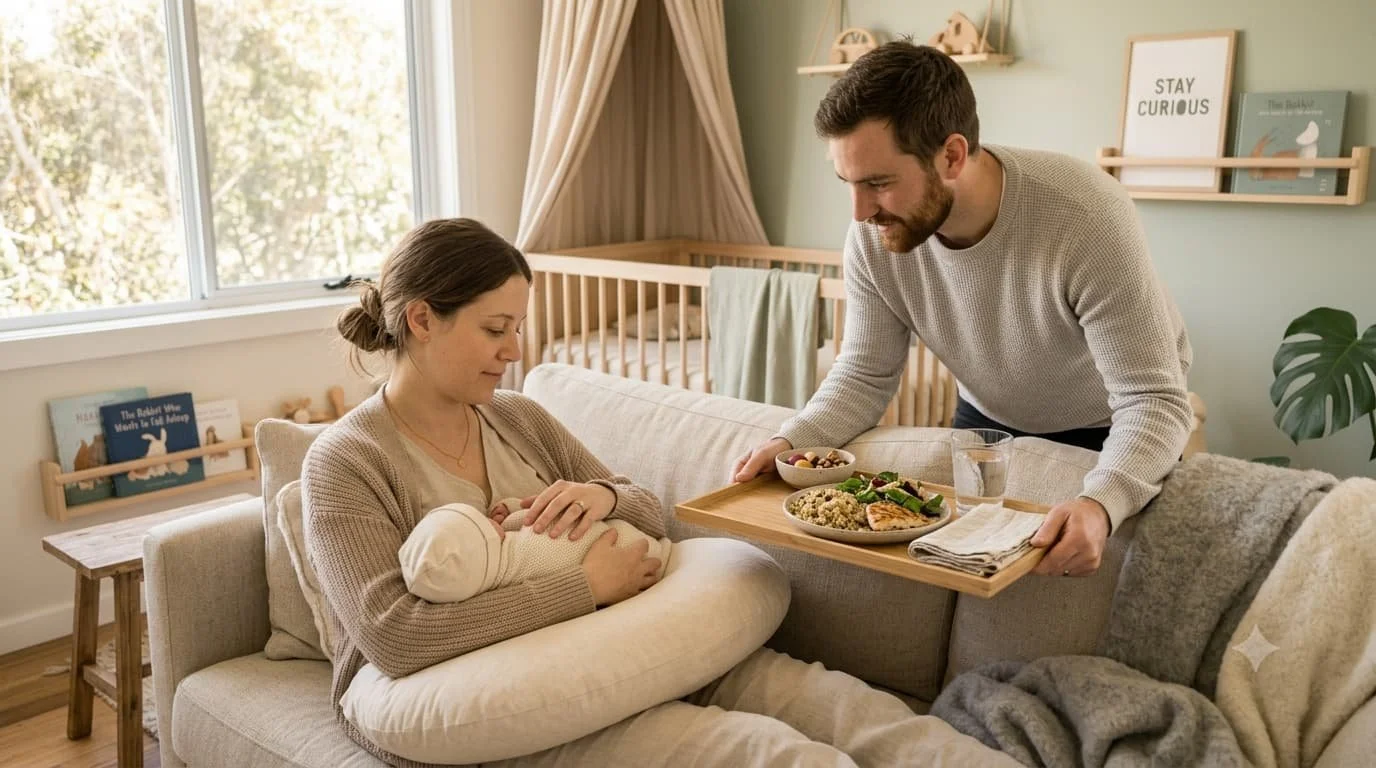
Preparing for your baby's arrival is important, but so is preparing for your own recovery. Your body has done something amazing, and it deserves time, care, and rest.
Recovery supplies
Many mothers find it helpful to have maternity pads, comfortable underwear, loose clothing, and a peri bottle ready at home. If you are breastfeeding, breast pads can also be useful during the early weeks.
Food and water
Looking after a newborn can make it easy to forget your own needs. Keep a water bottle nearby and have easy meals and healthy snacks ready. Good nutrition and staying hydrated can help support your recovery and your energy levels.
Rest whenever you can
Everyone says, "Sleep when the baby sleeps," and while that is not always possible, finding opportunities to rest is important. Your body is healing while you are also learning how to care for a new baby.
Accept help when it is offered. If someone can cook a meal, do the washing, or hold the baby while you shower, let them. You were never meant to do this alone.
Be kind to yourself
The first weeks with a newborn can bring many emotions. Some days will feel joyful, while others may feel difficult. Give yourself permission to learn as you go. There is no such thing as being a perfect parent.
As a doula, I often remind families that caring for the mother is one of the best ways to care for the baby. When you feel supported, you are better able to respond to your baby's needs.
Emotional and Practical Preparation
Preparing for a baby is not only about buying things. It is also about building a support system.
Before your due date, think about who you can turn to if you need help. This could be your partner, a family member, a trusted friend, or your doula.
You may also find it helpful to:
Prepare a few freezer meals.
Keep important phone numbers in one place.
Set up a comfortable feeding area with water, snacks, and anything you may need close by.
Talk with your partner about sharing household tasks and caring for the baby.
Give yourself permission to ask for help when you need it.
Many first-time parents feel pressure to do everything themselves. In reality, accepting support is a sign of strength, not weakness.
Final Thoughts
There is no perfect checklist for becoming a parent because every baby and every family is different.
The good news is that your baby does not need a house full of expensive equipment. They need love, comfort, regular feeding, a safe place to sleep, and parents who feel supported as they grow into their new role.
As a doula, I have seen that confidence does not come from owning more things. It grows through knowledge, support, and trusting yourself one day at a time.
If you are expecting your first baby in Vienna and would like calm, personalised support before, during, or after birth, working with an experienced doula can help you feel informed, prepared, and never alone on your journey into parenthood.
Frequently Asked Questions
-
Start with the essentials. Your baby needs a safe place to sleep, nappies, clothing, feeding supplies, and a car seat if you will be travelling by car. You can always buy additional items later as you learn what works best for your family.
-
No. Many first-time parents feel pressure to have every baby product ready, but that is not necessary. Having the basic essentials is enough. As you get to know your baby, you will have a better idea of what else you may need.
-
Have nappies, wipes or cotton wool, a few sleepsuits and bodysuits, feeding supplies, a safe place for your baby to sleep, and basic health items such as a digital thermometer. Preparing a few meals for yourself can also make those first days much easier.
-
Recovery is just as important as caring for your baby. Many mothers benefit from having maternity pads, comfortable clothing, a water bottle, healthy snacks, breast pads if breastfeeding, and support from family, friends, or a doula during the early weeks.
-
A postpartum doula provides practical and emotional support as you adjust to life with your newborn. This may include helping you feel confident with feeding, offering guidance on newborn care, answering questions, and making sure you feel supported while you recover.
-
Contact your healthcare provider if your baby has a fever, difficulty breathing, refuses several feeds, is unusually sleepy, or if you notice any changes that concern you. It is always better to ask for advice if you are unsure.
-
Yes. Welcoming your first baby brings many changes, and it is common to experience a wide range of emotions. Asking for help from your partner, family, friends, or a doula can make the transition feel much more manageable.
-
Many parents spend time buying baby products but forget to prepare for their own recovery and support. Planning meals, arranging help at home, and making time to rest are just as important as having the right baby essentials.