Newborn Essentials: Skip These Purchases
Becoming a parent for the first time is exciting. It can also feel overwhelming. As soon as you announce your pregnancy, you will probably receive advice from family, friends, and social media. Many people will tell you what your baby needs. Baby stores and online shops make it seem like every product is essential. Before long, your shopping list becomes much bigger than your budget.
The truth is much simpler. Newborn babies do not need hundreds of products. During the first few months, they mostly need a safe place to sleep, regular feeding, clean clothes, fresh nappies, and lots of love. Many products that are marketed as "must-haves" are only used a few times. Some are never used at all.
For first-time parents in Austria, it is worth taking a step back before making big purchases. Homes are often smaller than those in some other countries, and many families prefer buying quality products instead of filling every room with baby gear. It also helps to remember that many baby items can be borrowed from friends or bought second-hand in excellent condition.
This guide looks at some of the baby products that many parents later regret buying. It also explains why you may be able to skip them or wait until your baby arrives before deciding if you really need them.
Why Parents Often Buy Too Much
It is completely normal to want the best for your baby. Most parents worry about being prepared before the birth. Baby retailers understand this. They create long shopping lists and attractive displays that make every product seem important.
Many parents also receive advice from different people. One person may tell you a baby swing changed their life, while another says they never used one. Every baby is different. What works well for one family may not work for yours.
The safest approach is to buy the true essentials first. Once your baby is born, you will quickly learn what fits your family's routine. If you discover you need something later, you can usually buy it within a day or two.
Skip Buying Too Many Newborn Clothes
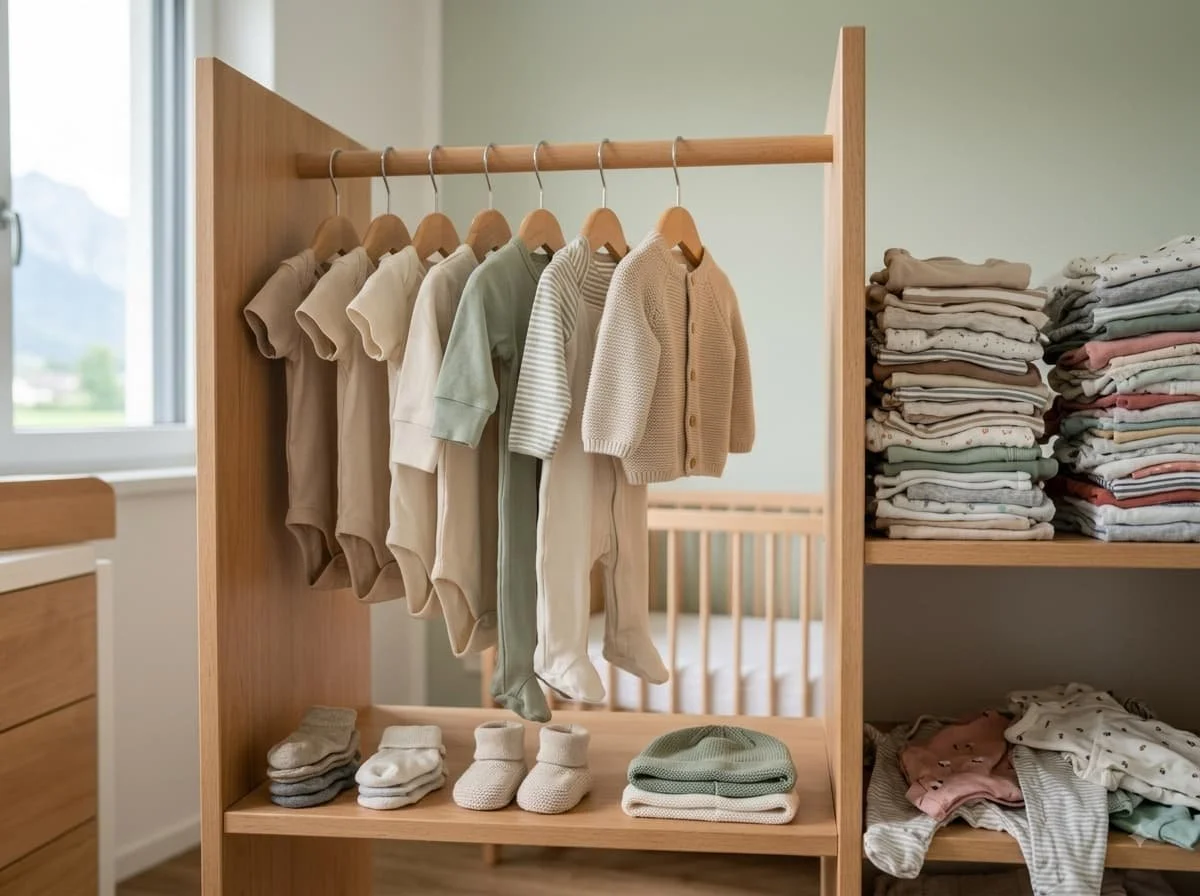
Tiny baby clothes are adorable. It is easy to understand why parents buy so many before the baby arrives. However, newborns grow much faster than many people expect.
Some babies only wear newborn-sized clothing for a few weeks. Others are born large enough to move straight into the next size. If your wardrobe is already full of newborn outfits, many pieces may never be worn.
Instead of filling drawers with tiny clothes, buy a small number of practical items. Soft bodysuits, sleepsuits, socks, and hats are enough for the first weeks. You can always buy more once you know your baby's size.
For Austrian winters, you may need a few warmer layers if your baby is born during the colder months. During summer, lightweight cotton clothing is usually enough.
Fancy Baby Shoes Can Wait
Many parents buy tiny shoes because they look cute. The problem is that newborns cannot walk. Shoes do not help babies learn to walk earlier, and they are not necessary during the first months.
Soft socks or booties keep little feet warm. They are also more comfortable for babies.
Once your child starts standing and walking outside, you can invest in supportive first shoes that fit properly.
Large Packs of Bottles Are Often Unnecessary
Many parents buy several different bottles before their baby arrives. The problem is that babies often have their own preferences. Some accept almost any bottle, while others only like certain shapes or teat sizes.
If you plan to breastfeed, you may not need many bottles at first. Even parents who formula feed often find it better to start with a few bottles before buying more.
Trying one or two bottles first can save both money and cupboard space.
Wipe Warmers Are Nice, But Not Essential
A wipe warmer sounds comforting. Warm wipes may seem gentler than cold ones, especially during night-time nappy changes.
In reality, most babies are perfectly happy with room temperature wipes. Parents who buy wipe warmers often stop using them after a short time. They also need electricity and regular maintenance to stop the wipes from drying out.
If your home is comfortably heated, especially during winter, your baby is unlikely to notice much difference.
Complicated Nappy Disposal Systems
Special nappy bins promise to lock away smells and keep your home fresh. While they do reduce odours, they also require special refill cartridges that add to your monthly costs.
Many families find that a standard bin with a lid works just as well if it is emptied regularly. If you dispose of nappies every day, unpleasant smells are usually kept under control.
For families trying to stay within a budget, a dedicated nappy disposal system is often an expense that can be skipped.
Baby Food Makers Are Not Needed Right Away
Some parents buy baby food makers before their baby is even born. The reality is that babies usually do not start eating solid foods until around six months of age.
By that time, you will already know what kind of feeding routine works best for your family.
Many parents simply mash cooked vegetables with a fork or use a regular kitchen blender. Others choose ready-made baby food for convenience. A dedicated baby food maker often becomes another appliance that takes up kitchen space.
There is no need to buy one before your baby arrives.
Expensive Baby Bedding Sets
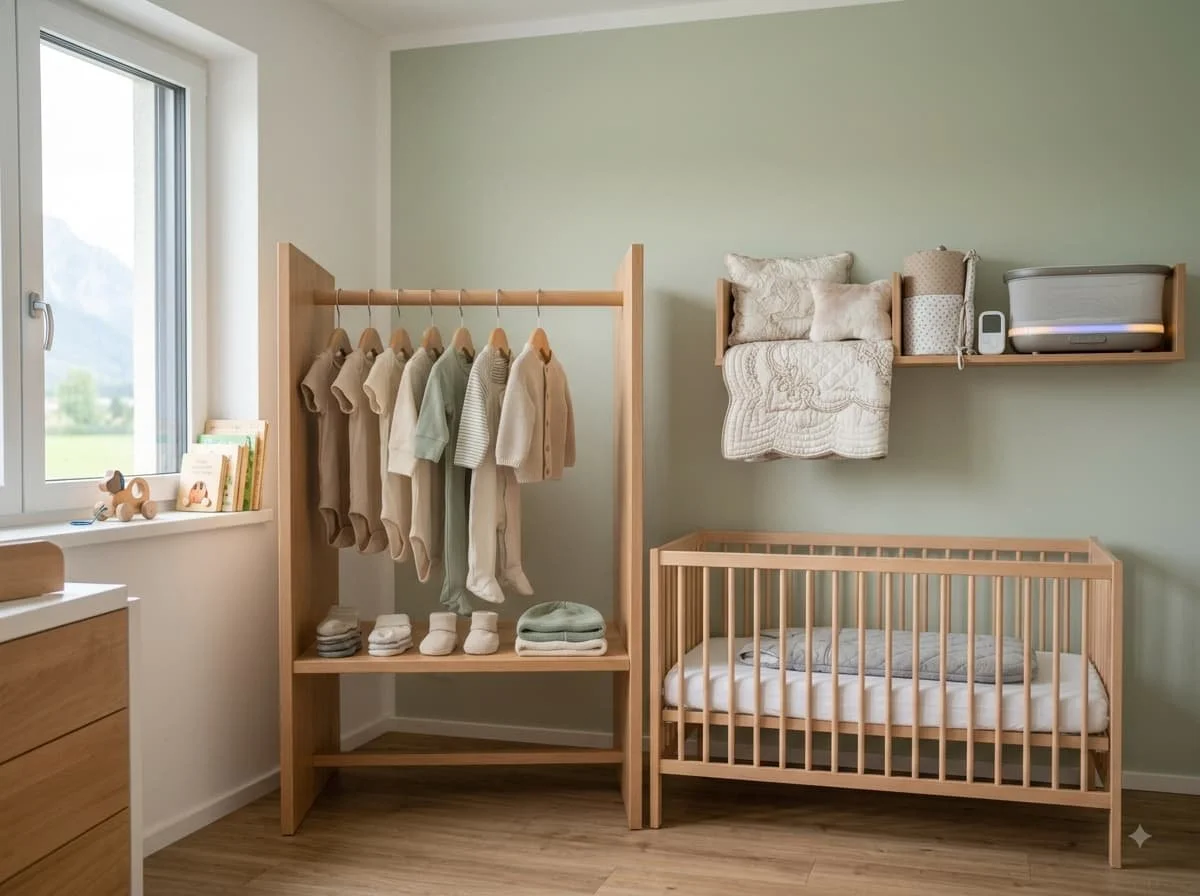
Beautiful cot bedding can make a nursery look complete. Thick quilts, pillows, bumpers, and decorative cushions are often included in matching sets.
However, newborn babies need a simple and safe sleeping space. Extra bedding is not recommended for young babies because it can create safety risks during sleep.
A fitted mattress sheet and an appropriate baby sleeping bag are usually all you need. Keeping the cot simple is both safer and easier.
Many parents later realise they spent money on bedding that was mainly decorative.
A Changing Table Is Optional
Many nurseries include a dedicated changing table. While it can be convenient, it is not essential.
Some parents quickly discover they change nappies on a bed, sofa, or changing mat placed on the floor. Others use the top of a sturdy chest of drawers with a changing mat.
If you have limited space, skipping a separate changing table can free up valuable room. You can always create a safe changing area using furniture you already own.
Every Baby Does Not Need a Swing
Baby swings are one of the most talked-about baby products. Some babies enjoy the gentle movement and settle easily. Others refuse to stay in the swing for more than a few minutes.
Because every baby is different, buying an expensive swing before birth can be risky. It may become one of the least-used items in your home.
If you are considering one, it may be worth waiting until your baby arrives. You may even be able to borrow one from family or friends to see if your baby enjoys it.
Skip Buying Too Many Toys
It is tempting to fill the nursery with soft toys, rattles, and activity products before your baby arrives. Most newborns are not interested in toys during the first few months. They are still learning about the world through your voice, your face, and simple movements.
One or two soft rattles or high-contrast toys are enough to begin with. You can slowly add more age-appropriate toys as your baby grows and starts reaching, grabbing, and exploring.
Buying everything at once often means many toys stay in boxes for months.
A Baby Bath Tub Is Not Always Necessary
Many baby shops sell specially designed baby bathtubs in different shapes and sizes. While some parents find them useful, they are not essential.
Some families use a small washing-up bowl that is only used for the baby. Others bathe their newborn in the family bath with support or use a bath support seat when the baby is old enough. The important thing is that your baby is safe and never left alone near water.
If you are unsure whether you need a baby bath, it is fine to wait. You can always buy one later if you feel it would make bath time easier.
Smart Baby Gadgets Can Be Expensive
Technology has made its way into the nursery. There are smart bassinets, sleep trackers, connected thermometers, and devices that promise to improve your baby's sleep.
These products often come with a high price tag. While some families enjoy using them, they are not necessary for a healthy newborn.
A safe sleep environment, regular feeding, and learning your baby's cues are far more important than expensive gadgets. Most parents manage perfectly well with a reliable baby monitor and advice from their healthcare provider when needed.
Duplicate Baby Products Often Go Unused
Many parents buy the same type of product more than once. They may have a changing station upstairs and downstairs, several nappy bags, multiple baby carriers, or extra feeding accessories.
Although having a backup can be helpful, buying too many duplicates before your baby is born often leads to wasted money.
It is better to live with your daily routine for a few weeks. Then you can decide if having another item would make life easier.
Wait Before Buying Large Quantities of Nappies
Buying nappies in bulk sounds like a good way to save money. The challenge is that you do not know how quickly your baby will grow or which brand will suit them best.
Some babies have sensitive skin and react better to certain nappies. Others move into the next size much sooner than expected.
Buying a few small packs first gives you the flexibility to change brands or sizes without ending up with unopened boxes that no longer fit.
What Is Worth Buying Before Your Baby Arrives?
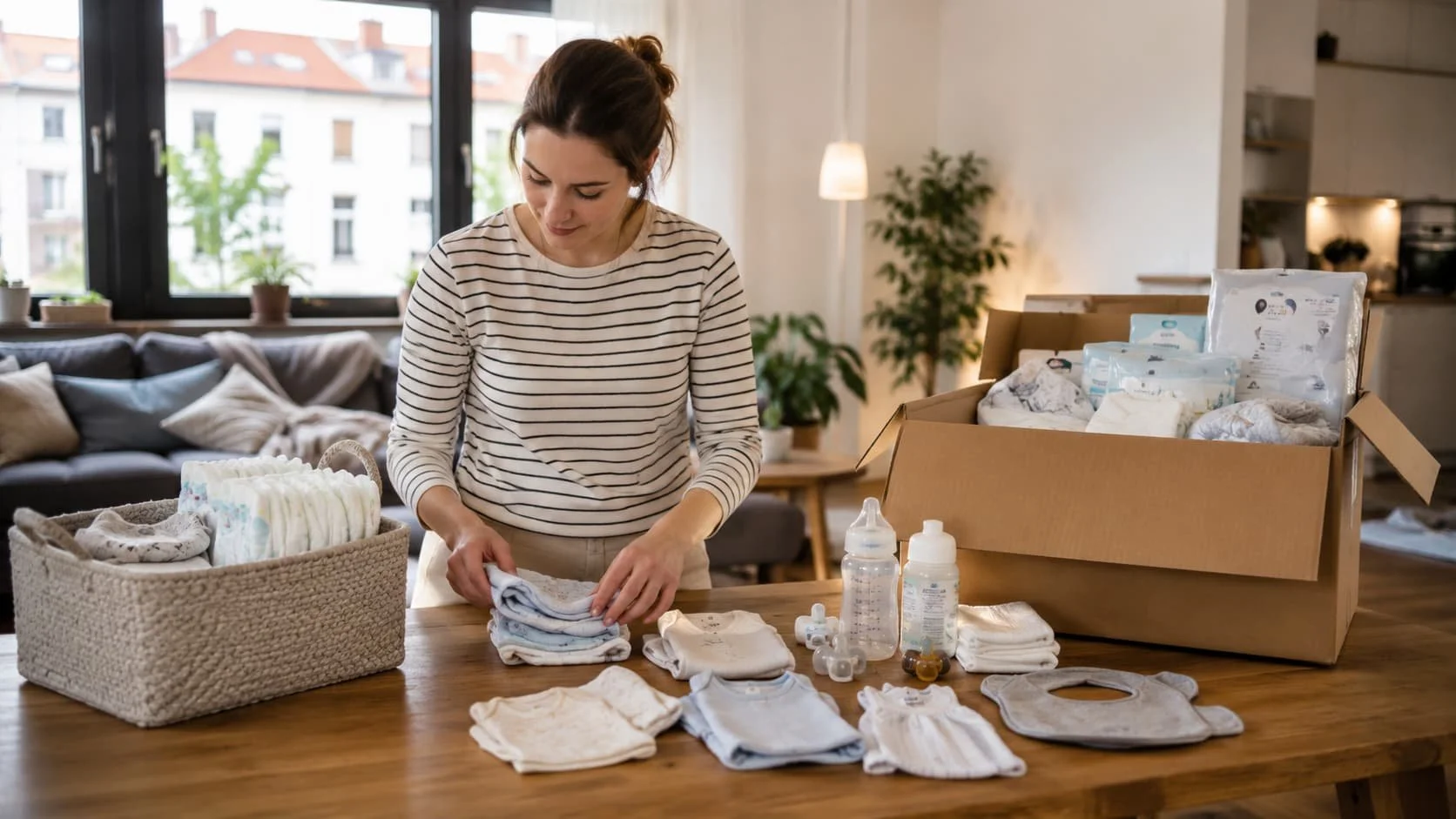
While many products can wait, there are some items that every family should have ready before bringing their baby home.
A safe cot or bassinet should be at the top of the list. Your baby also needs a firm mattress with fitted sheets, comfortable clothing, nappies, wipes, feeding supplies, muslin cloths, and a suitable car seat if you will be travelling by car.
These are the items you are likely to use every day from the moment your baby is born.
Everything else can be added over time if you discover you need it.
Save Money by Buying Second-Hand
Babies grow incredibly fast. Many products are only used for a few months before they are packed away.
In Austria, it is common to find excellent quality second-hand baby clothes, cots, prams, and nursery furniture through local marketplaces, family groups, and baby fairs. Buying pre-loved items can save a significant amount of money without affecting quality.
Always check that second-hand products meet current safety standards. Car seats should only be bought second-hand if you know their full history and are certain they have never been involved in an accident.
Every Family Is Different
It is important to remember that there is no perfect shopping list.
One family may love using a baby carrier every day. Another may prefer a pram. Some babies enjoy a swing, while others never settle in one. The same is true for bottles, dummies, and many other baby products.
Do not feel pressured to buy something simply because someone else recommends it.
Start with the basics. Spend time getting to know your baby. Then make decisions based on your own family's needs.
Final Thoughts
Preparing for your first baby is an exciting experience, but it does not have to empty your bank account.
Many products sold as newborn essentials are actually optional. Some are only useful for a short time. Others may never be used at all. By focusing on the items that truly matter, you can save money, reduce clutter, and make your home easier to organise.
Your baby will not remember the expensive gadgets or the perfectly decorated nursery. They will benefit most from a safe home, loving care, and parents who feel confident rather than overwhelmed.
When in doubt, keep your shopping list simple. You can always buy extra items later if your family genuinely needs them.
Frequently Asked Questions
-
Most first-time parents only need enough clothes to last a few days between washes. Around six to eight bodysuits, several sleepsuits, a few pairs of socks, and a couple of hats are usually enough to start. You can always buy more once your baby arrives and you know their size.
-
For most families, no. Babies quickly get used to room temperature wipes, and many parents stop using wipe warmers after a short time. They are a nice extra but not an essential purchase.
-
It is usually better to wait. Some babies enjoy swings, while others do not. Waiting until your baby arrives can help you avoid spending money on a product that may not be used.
-
No. Many parents use a changing mat on a bed, sofa, or chest of drawers. As long as your baby is changed on a safe and stable surface, a dedicated changing table is optional.
-
Yes. Clothing, nursery furniture, and many other baby products can often be bought second-hand in excellent condition. Always check that items are clean, safe, and meet current safety standards. Car seats should only be bought second-hand if you know they have never been involved in a collision.
-
Focus on the basics first. A safe sleeping space, baby clothes, nappies, feeding supplies, muslin cloths, and a suitable car seat are among the most important items to have ready before your baby's arrival.