Understanding the Roles of Doulas and Midwives in Childbirth
Pregnancy and childbirth are deeply transformative experiences, both physically and emotionally. In Austria, where maternity care blends medical excellence with increasing respect for holistic birth preparation, many expectant parents are seeking clarity around the roles of doulas and midwives. Understanding how these professionals differ, how they work together, and how their support can shape the birth experience is an essential part of informed decision-making.
As a doula, I often meet families who feel overwhelmed by choices during pregnancy. My role is to provide clarity, continuity, and confidence. This article aims to explain the distinct yet complementary roles of doulas and midwives in childbirth, helping Austrian families understand how each contributes to a supported, empowered, and positive birth experience.
The Growing Importance of Personalised Birth Support
Modern maternity care has evolved beyond a purely clinical model. While medical expertise remains vital, there is increasing recognition of the emotional, psychological, and physical preparation required for childbirth. Both doulas and midwives play key roles in addressing these needs, albeit in different ways.
In Austria, midwives are an integral part of the maternity system, often working within hospitals, birth centres, and home birth settings. Doulas, on the other hand, provide continuous, non-medical support that focuses on the birthing person’s emotional wellbeing, comfort, and sense of agency throughout pregnancy, birth, and the early postnatal period.
Understanding these distinctions allows families to build a birth team that aligns with their values, preferences, and individual circumstances.
What Is the Role of a Midwife?

Midwives are trained healthcare professionals who specialise in pregnancy, labour, birth, and postnatal care. Their role centres on clinical responsibility and medical oversight for low-risk pregnancies, while also supporting physiological birth wherever possible.
Medical Expertise and Clinical Care
Midwives are qualified to monitor maternal and fetal health, conduct physical examinations, interpret medical indicators, and make clinical decisions during labour and birth. In Austria, midwives work closely with obstetricians and hospitals to ensure safe outcomes, particularly if complications arise.
They are responsible for assessing labour progress, monitoring vital signs, providing pain relief options where appropriate, and intervening or escalating care when medically necessary. This medical accountability is a defining element of the midwife’s role and distinguishes it clearly from doula services.
Continuity and Advocacy Within the System
Midwives also act as advocates for birthing parents within the healthcare system. They help explain medical procedures, support informed consent, and encourage communication between families and medical teams. However, their availability during labour can sometimes be limited by shift patterns or clinical demands, especially in hospital settings.
Despite these limitations, midwives remain a cornerstone of maternity care in Austria, offering evidence-based, professional support throughout the childbirth journey.
What Is the Role of a Doula?
Doulas provide continuous, non-medical support before, during, and after childbirth. Unlike midwives, doulas do not perform clinical tasks or make medical decisions. Instead, the role of a doula in childbirth is centred on emotional reassurance, physical comfort, and mental preparedness.
Emotional and Physical Support During Labour
One of the defining features of doula services is continuous presence. A doula remains with the birthing person throughout labour, offering calm guidance, reassurance, and encouragement. This continuity helps reduce fear and stress, which are known to influence labour progression and overall birth satisfaction.
Physical comfort measures such as breathing guidance, positioning support, and relaxation techniques form a key part of doula childbirth support. These methods complement medical care without replacing it, working alongside midwives and doctors rather than instead of them.
Preparation and Education Before Birth
Doulas also support families during pregnancy by helping them understand the birth process, explore their preferences, and prepare both body and mind for labour. This preparation is particularly valuable in helping parents feel confident and informed as they approach birth.
As a doula, my approach focuses on empowering families with knowledge and practical tools, ensuring they feel supported rather than directed during their birth experience.
Doulas and Midwives: How Their Roles Differ
Although doulas and midwives are sometimes confused, their roles are distinct and complementary. Midwives provide medical care and clinical oversight, while doulas focus on non-medical, continuous support.
Midwives are accountable for health outcomes and operate within professional medical regulations. Doulas are there to support emotional wellbeing, comfort, and communication, without performing any clinical tasks. This distinction allows each professional to work within their scope while enhancing the overall birth experience.
In Austria, where hospital births are common, having both a midwife and a doula can provide a balanced combination of medical safety and personalised support.
How Doulas and Midwives Work Together
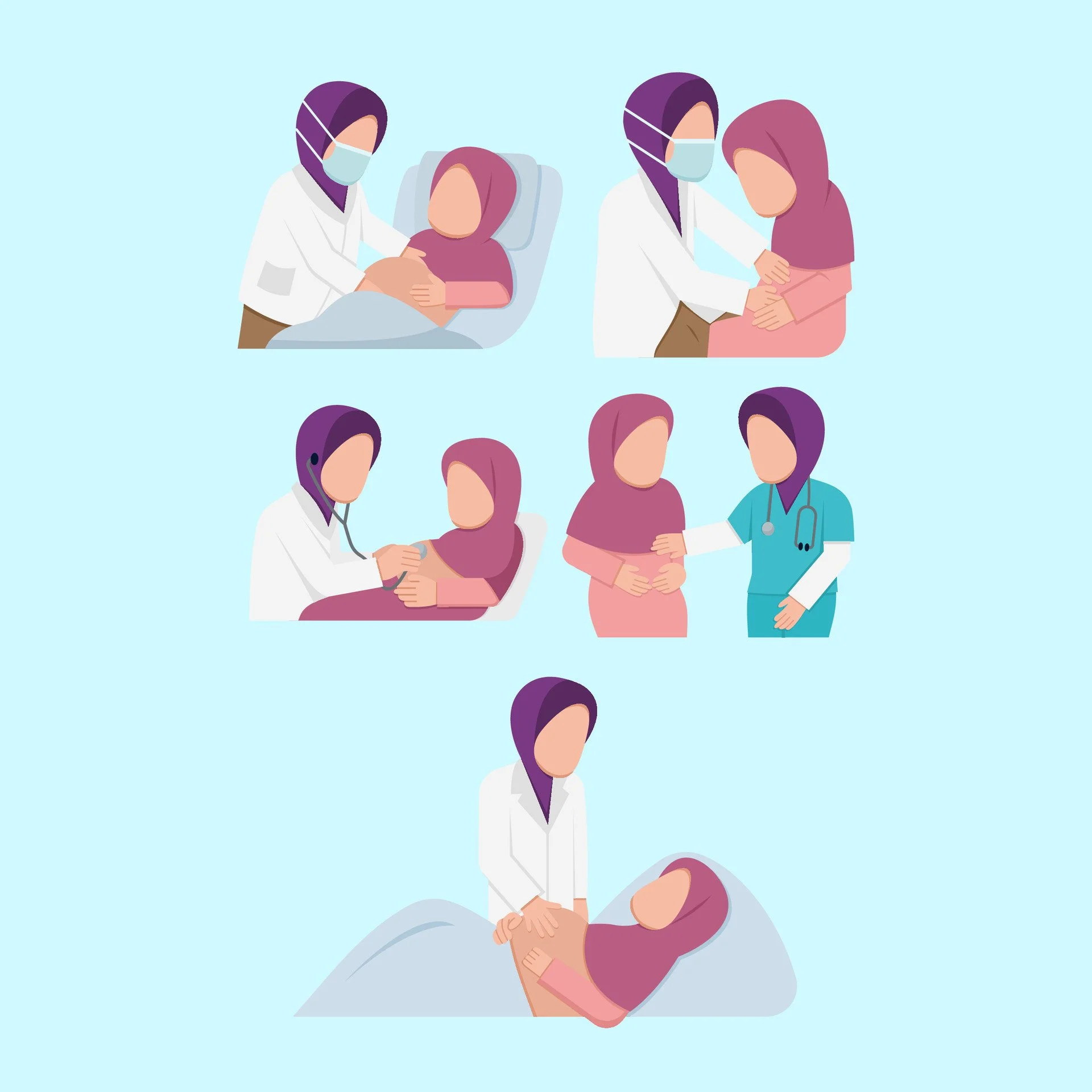
When doulas and midwives collaborate respectfully, the birthing person benefits from a well-rounded support system. Midwives can focus on medical monitoring and clinical decision-making, while doulas provide constant emotional presence and physical comfort.
This collaboration often improves communication, as doulas can help parents articulate their preferences clearly and calmly. Midwives, in turn, can better understand the emotional needs of the family while continuing to deliver professional care.
Rather than competing roles, doulas and midwives complement one another, each contributing their expertise to support a positive and empowering birth.
The Value of Doula Services for Austrian Families
Doula services are increasingly sought after by families in Austria who wish to feel more supported during childbirth. While the medical system provides excellent care, many parents value the continuity, reassurance, and personalised attention that a doula brings.
Doula childbirth support can be particularly beneficial for first-time parents, families navigating anxiety around birth, or those seeking a more mindful and prepared approach to labour. The presence of a doula helps families feel seen, heard, and respected throughout the process.
Preparing the Body and Mind for Birth
One of my specialities as a BRM Pro is supporting families in actively preparing both body and mind for childbirth. Birth preparation is not only about understanding what may happen medically, but also about developing physical readiness, mental resilience, and emotional confidence.
Through my work, I offer structured preparation that aligns with the principles of doula support and complements midwifery care. This includes guidance that can be accessed through an online programme available via my affiliate link, as well as private “prepare your body for birth” sessions tailored to individual needs.
These approaches are designed to help birthing parents feel grounded, informed, and physically prepared, enhancing their ability to work with their bodies during labour. When combined with the care of midwives and the continuous presence of a doula, this preparation can positively influence the overall birth experience.
Choosing the Right Support for Your Birth
Every birth journey is unique, and there is no single right way to build a birth team. Some families may feel fully supported by midwifery care alone, while others benefit greatly from adding doula services to their plan.
Understanding the roles of doulas and midwives allows families to make informed decisions based on their personal needs, values, and circumstances. In Austria, where maternity care options continue to expand, having clarity around these roles empowers parents to advocate for the support that feels right for them.
A Holistic Approach to Childbirth Support
Childbirth is not only a medical event but a profound life experience. When families are supported physically, emotionally, and mentally, they are more likely to feel positive and empowered, regardless of how their birth unfolds.
By combining the clinical expertise of midwives with the continuous, compassionate support of doulas, families can experience care that honours both safety and individuality. My role as a doula is to walk alongside families through this journey, offering reassurance, preparation, and unwavering support from pregnancy through birth and beyond.
Frequently Asked Questions
What is the main difference between doulas and midwives?
The primary difference is that midwives provide medical care and clinical oversight, while doulas offer non-medical emotional, physical, and informational support throughout childbirth.
Can I have both a doula and a midwife at my birth in Austria?
Yes, many families in Austria choose to have both. Midwives handle medical care, while doulas provide continuous support and comfort.
Do doulas replace midwives or doctors?
No, doulas do not replace medical professionals. Doula services complement midwifery and obstetric care by focusing on emotional and physical support.
Are doula services helpful for hospital births?
Yes, doula childbirth support is valuable in hospital settings, where continuous emotional support may not always be available due to staffing and shift changes.
How does birth preparation help during labour?
Preparing the body and mind for birth helps reduce fear, increase confidence, and support the natural physiological process of labour.
What is included in your birth preparation support?
My work includes private sessions focused on preparing both the body and mind for birth, alongside a couple of dedicated hours of birth and postpartum planning with your partner. I also provide ongoing phone support and on-call availability for guidance and reassurance. Access to an online birth preparation workout programme is available via my affiliate link and is paid for separately.
Is doula support only for first-time parents?
No, doula services can benefit all families, regardless of whether it is their first or subsequent birth.
When should I consider hiring a doula?
Many families choose to connect with a doula early in pregnancy to benefit from preparation and support throughout the entire journey.