When Should We Start Prenatal Yoga?
Pregnancy is a time of profound physical and emotional change. Many expecting mothers begin looking for safe and supportive ways to stay active, reduce stress, and prepare both body and mind for birth. One of the most recommended approaches is prenatal yoga. As a doula supporting families in Austria, I often hear the same question: when is the right time to begin prenatal yoga?
In prenatal care across Austria, more women are exploring gentle movement practices that support pregnancy wellness. Prenatal yoga offers not only physical benefits but also emotional grounding and preparation for labour. For women searching for prenatal yoga Wien or looking for guidance from a doula Wien, understanding when to begin is an important first step.
Understanding Prenatal Yoga and Its Role in Pregnancy
Prenatal yoga is a modified form of yoga designed specifically for pregnancy. It focuses on gentle stretching, breath awareness, relaxation techniques, and strengthening muscles needed for labour and recovery. Unlike regular yoga, prenatal yoga avoids poses that place pressure on the abdomen, deep twists, extreme backbends, or overheating environments such as hot yoga.
Prenatal yoga is widely considered safe for most pregnancies when approved by a healthcare provider. It is intended to support relaxation rather than pushing physical limits. Sessions are usually moderate in intensity and often last around sixty minutes to keep the body safe and comfortable during pregnancy. Overexertion is discouraged because the goal is to nurture the body rather than challenge it.
For many women working with a prenatal doula is worthwhile as prenatal yoga becomes part of a holistic approach to pregnancy care, supporting emotional readiness, physical comfort, and connection with the baby.
When Can You Start Prenatal Yoga?
Starting Prenatal Yoga at Any Stage of Pregnancy
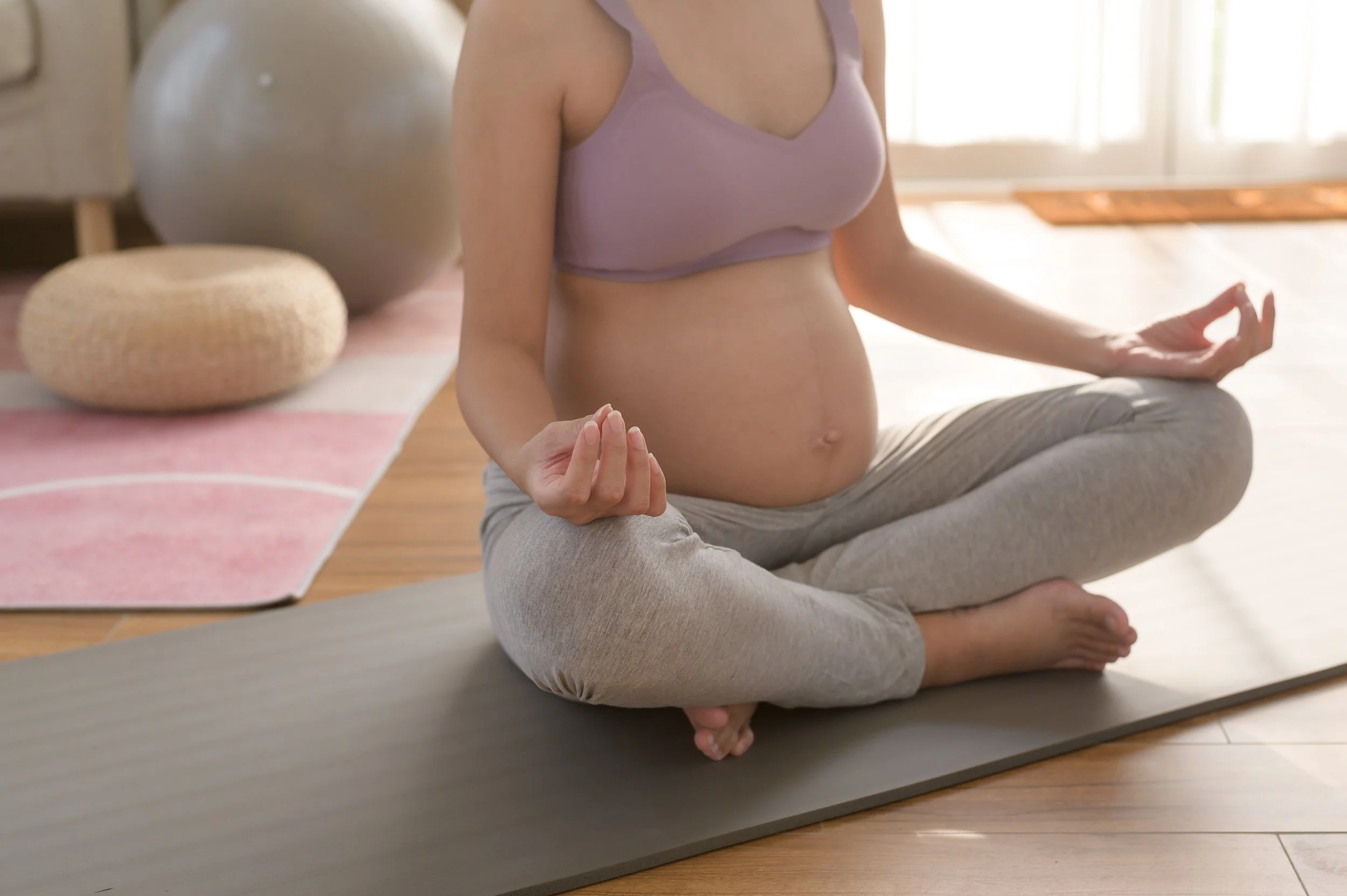
Prenatal yoga can technically be started at any stage of pregnancy if your healthcare provider confirms it is safe for you. Many programmes are designed to support mothers through every trimester with appropriate modifications as the body changes. Women who practised yoga before pregnancy can often continue early on with adjustments to reduce intensity and avoid certain poses.
Some medical professionals suggest waiting until after the first trimester, particularly if you are new to yoga. The first trimester can bring fatigue, nausea, and hormonal changes, which can make structured exercise more challenging. Beginning after week twelve or thirteen is commonly recommended for beginners, once pregnancy is considered more stable.
For women looking for prenatal yoga Wien classes, many studios structure sessions by trimester, helping you transition safely as your body changes.
Starting Prenatal Yoga if You Are New to Exercise
If prenatal yoga is your first structured exercise during pregnancy, starting slowly is essential. Gentle movement, proper hydration, and practising in a cool environment help reduce risks. It is important to listen to your body and stop if you experience pain, dizziness, bleeding, or contractions.
Moderate physical activity is generally encouraged during pregnancy, even if sessions are short. Even less frequent or shorter sessions can still help you prepare your body for birth and maintain overall wellbeing.
Why Many Women Begin Prenatal Yoga in the Second Trimester
The second trimester is often described as the most comfortable time to start prenatal yoga. Many early pregnancy symptoms have reduced, and energy levels may improve. During this stage, prenatal yoga often focuses on building strength, improving flexibility, and supporting posture as the body adapts to the growing baby.
Women in Austria often begin searching for prenatal yoga Wien options during this stage, as they feel more physically comfortable attending classes or participating in structured sessions.
Second-trimester prenatal yoga often includes pelvic floor awareness, gentle strengthening of the lower back, and breathwork to support oxygen flow and relaxation.
Prenatal Yoga in the Third Trimester
Prenatal yoga remains beneficial even in the later stages of pregnancy. During the third trimester, sessions often shift towards breathing techniques, relaxation practices, and gentle movement that support comfort and emotional preparation for labour.
Balance can become more challenging as pregnancy progresses. Many poses are modified using props such as pillows, blocks, or straps. This stage is often when breathing exercises become particularly valuable, helping women prepare mentally and physically for birth.
For many clients I support as a doula Wien, third trimester prenatal yoga helps reduce anxiety and improves confidence approaching labour.
When Prenatal Yoga May Not Be Recommended
Although prenatal yoga is safe for most pregnancies, there are situations where medical advice is essential before starting. Women at risk of preterm labour or with certain health conditions, such as heart or lung disease, may need modified programmes or may be advised to avoid yoga altogether.
Certain poses are generally avoided during pregnancy. Lying flat on the back or stomach, deep abdominal stretches, strong twisting poses, and overheating environments are usually not recommended. The goal is always comfort, safety, and gentle support rather than performance.
If you ever feel unusual symptoms during prenatal yoga, stopping and consulting your healthcare provider is recommended.
The Benefits of Prenatal Yoga for Mind and Body
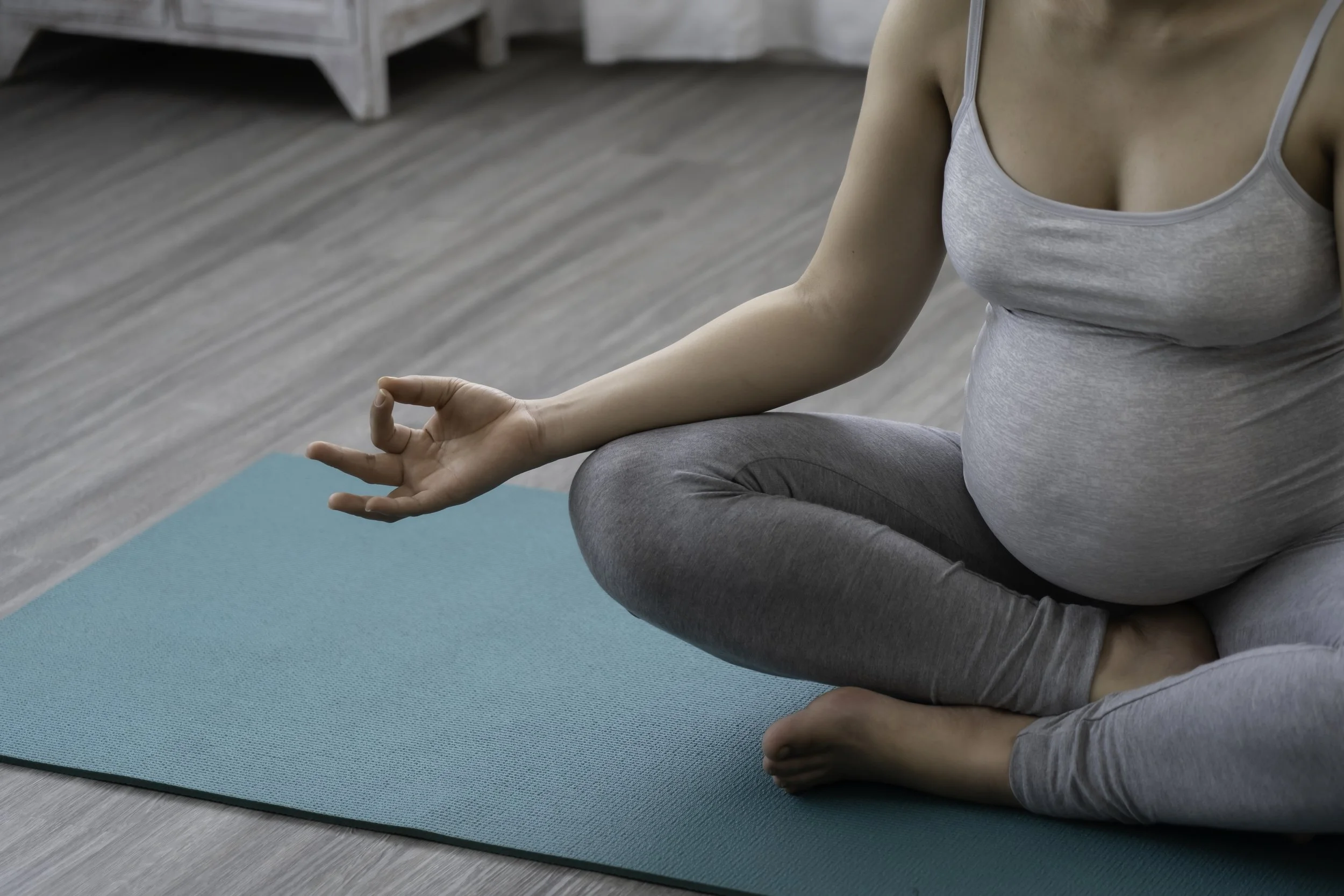
Prenatal yoga is associated with improved sleep quality, reduced anxiety, and lower stress levels. It supports emotional balance and helps many women feel more connected to their pregnancy journey.
Physically, prenatal yoga supports posture, reduces muscle tension, and prepares the pelvic muscles for labour. Gentle movement helps circulation and supports overall physical comfort throughout pregnancy.
Many expecting mothers report feeling more confident about labour after practising prenatal yoga regularly, particularly when combined with birth preparation education.
How Prenatal Yoga Helps Prepare Your Body for Birth
Prenatal yoga supports muscles involved in labour, including the pelvic floor, hips, and lower back. Breathing exercises help mothers learn how to manage contractions and stay calm during labour.
For women working with a prenatal doula, prenatal yoga often becomes part of a wider birth preparation plan that includes emotional preparation, partner support, and education about labour stages.
My Specialty as a BRM Pro: Preparing the Body and Mind for Birth
As a BRM professional and prenatal doula, my focus is on helping you actively prepare your body and mind for birth. Through my private prepare your body for birth sessions, I support women in building physical awareness, confidence, and emotional readiness for labour.
I also guide clients towards structured programmes that they can access online through my affiliate partnerships. These programmes complement prenatal yoga by helping strengthen the muscles used in labour, improve breath control, and support overall birth preparation.
Combining prenatal yoga with structured birth preparation creates a powerful foundation for pregnancy wellness and labour readiness.
Finding Prenatal Yoga Wien and Doula Support
Austria has growing access to prenatal wellness services, including prenatal yoga Wien studios and personalised doula Wien support. Many classes offer trimester-specific guidance and focus on safe, evidence-informed pregnancy movement.
Working with a prenatal doula alongside prenatal yoga can help ensure exercises are aligned with your birth goals and physical needs.
Listening to Your Body During Prenatal Yoga
Every pregnancy is different. Some women feel comfortable starting early, while others prefer to wait until later in pregnancy. The most important factor is feeling safe, supported, and comfortable.
Prenatal yoga should always feel nurturing rather than exhausting. Being able to speak comfortably during exercise is often a good indicator that intensity is appropriate.
Hydration, ventilation, and gentle pacing are essential parts of safe prenatal yoga practice.
Conclusion: The Right Time to Start Prenatal Yoga Is Personal
There is no single correct time to start prenatal yoga. Some women begin early in pregnancy, while others start after the first trimester or even later. The most important step is speaking with your healthcare provider and choosing a safe, supportive programme.
Whether you are searching for prenatal yoga Wien or working with a doula Wien, prenatal yoga can be a powerful tool to prepare your body for birth, support emotional wellbeing, and build confidence for labour.
Through guided prenatal yoga and personalised birth preparation support, you can create a strong, balanced foundation for your pregnancy journey.
FAQs
Is prenatal yoga safe in the first trimester?
Prenatal yoga can be safe in the first trimester if approved by your healthcare provider. Some women prefer to wait until the second trimester, especially if they are new to exercise.
How often should I do prenatal yoga?
Many guidelines suggest moderate activity most days of the week. Even shorter or less frequent sessions can still be beneficial.
Do I need yoga experience before pregnancy?
No prior experience is required. Prenatal yoga is designed to support beginners safely.
Can prenatal yoga help with labour preparation?
Yes. Prenatal yoga supports breathing control, muscle strength, and relaxation techniques that are helpful during labour.
Should I stop prenatal yoga if I feel discomfort?
Yes. Stop immediately and speak with your healthcare provider if you experience pain, bleeding, dizziness, or contractions.
Can prenatal yoga reduce stress during pregnancy?
Yes. Prenatal yoga is linked to improved emotional wellbeing, reduced anxiety, and better sleep quality.
When should I avoid prenatal yoga?
Prenatal yoga may not be recommended if you have certain medical conditions or risk factors such as preterm labour risk. Always seek medical advice first.
Is prenatal yoga different in each trimester?
Yes. Prenatal yoga changes throughout pregnancy, focusing on strength in the second trimester and relaxation and breathing in the third trimester.