Yoga Postures to Avoid During Pregnancy
Pregnancy is a deeply transformative time where the body and mind change continuously. As a doula, I often see women turning to yoga for grounding, strength, and emotional balance. Yoga can be incredibly supportive during pregnancy when practised with awareness and care. However, certain Yoga posture choices must be modified or avoided to protect both mother and baby. Understanding which movements may create unnecessary pressure or strain helps maintain safety while still enjoying the benefits of mindful movement.
This guide brings together key insights to help expectant mothers understand which yoga postures to avoid during pregnancy, why they may present risks, and how gentle alternatives can support wellbeing. I intend to guide you safely through pregnancy and later into recovery with Gentle Yoga for Postpartum Women, offering a continuum of support that nurtures your body before and after birth.
Understanding Yoga Practice During Pregnancy
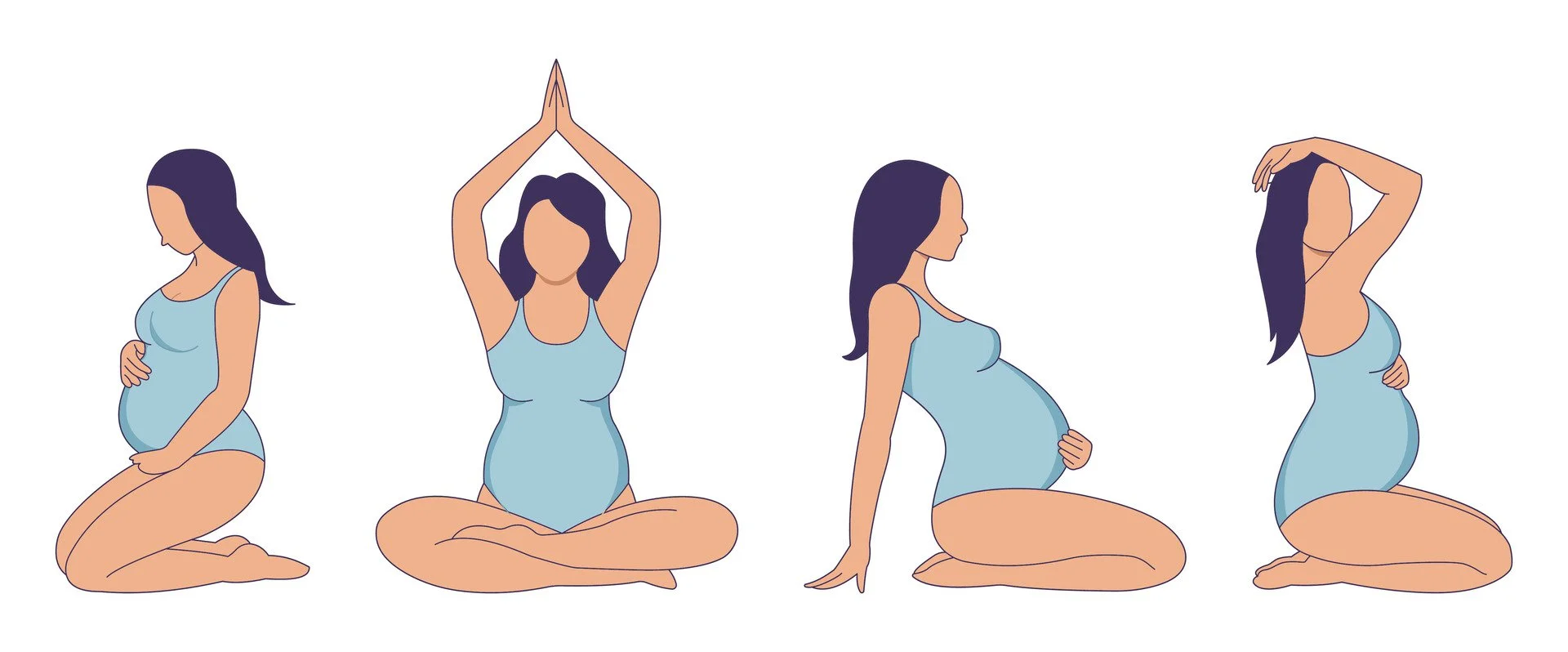
Yoga supports physical and emotional wellbeing during pregnancy and can help strengthen muscles, maintain flexibility, and reduce stress. However, pregnancy introduces hormonal changes and shifts in balance that affect how the body responds to movement. Relaxin hormones increase joint flexibility, and the growing uterus changes posture and centre of gravity. Because of this, certain yoga postures that were previously comfortable may become unsafe or unsuitable.
Yoga practice during pregnancy does not need to stop; instead, it must evolve. Many movements remain beneficial when adapted appropriately. The key is recognising that not every Yoga posture aligns with the needs of a pregnant body. Postures that compress the abdomen, restrict circulation, or increase the risk of falling should be avoided or modified.
Why Some Yoga Postures Should Be Avoided
Pregnancy yoga emphasises safety, stability, and gentle strengthening rather than intensity. Certain movements may cause compression of the abdominal area, overstretching of ligaments, or reduced blood flow to the baby. Twisting deeply, lying on the stomach, or performing strong core work can place unnecessary strain on muscles and circulation.
Additionally, balance becomes more challenging as pregnancy progresses. Inversions and advanced balancing poses increase the risk of falls due to changes in stability and blood pressure. Even experienced practitioners may need to adjust or pause these movements to prioritise safety.
Another important factor is circulation. Lying flat on the back after the first trimester may compress the vena cava, a major vein responsible for returning blood to the heart, which can lead to dizziness or reduced blood flow.
Understanding these physiological changes helps explain why yoga during pregnancy focuses on gentle, supportive movements rather than intense or advanced poses.
Belly-Down Yoga Postures
One of the most commonly avoided categories includes belly-down positions such as cobra, locust, or bow pose. These movements require lying directly on the stomach and can compress the abdomen as pregnancy progresses. Such pressure may feel uncomfortable and potentially restrict space for the baby.
As pregnancy advances, even previously comfortable prone postures become impractical due to physical changes. Replacing them with supported alternatives helps maintain mobility without risking unnecessary compression. The goal is always to create space rather than pressure in the abdominal region.
Deep Twists and Closed Rotations
Twisting yoga postures are often part of traditional practice, but deep twists that compress the belly should be avoided during pregnancy. Closed rotations can squeeze the abdominal area and potentially affect circulation or comfort.
Gentle, open twists away from the belly may still be possible under guidance, especially when movement originates from the shoulders rather than the abdomen. The focus shifts from intensity to subtle mobility that honours the changing body.
Strong Core Work and Abdominal Compression
Many yoga sequences include strong core engagement through movements such as crunches, planks, or boat pose. During pregnancy, intense abdominal work may increase strain on the abdominal muscles and potentially contribute to the separation of the muscles.
Rather than abandoning core strength altogether, pregnant women are encouraged to choose gentle stabilising exercises that maintain support without excessive pressure. This approach protects the abdominal wall while still supporting functional strength for pregnancy and birth.
Major Backbends and Deep Forward Folds
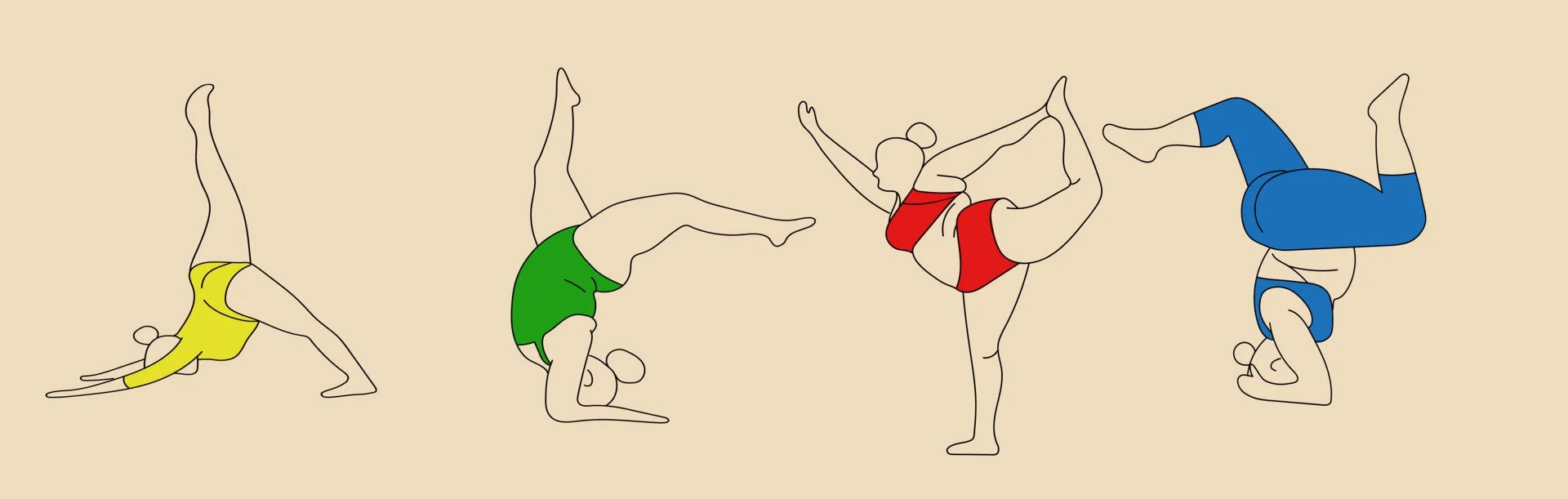
Deep backbends or intense stretching may overstretch abdominal muscles or place strain on joints already affected by hormonal changes. As ligaments become more flexible, the risk of overextension increases.
Similarly, deep forward folds that compress the belly or widen the stance excessively may create stress on pelvic structures. Adjustments such as using props or reducing intensity help maintain safety while still encouraging gentle mobility.
Inversions and Complex Balance Poses
Inversions like headstands or shoulder stands are commonly discouraged during pregnancy, particularly in early and late trimesters. Changes in balance and blood pressure make these postures less stable, increasing the risk of falling.
Even experienced practitioners may choose to avoid these poses temporarily, prioritising stability and grounding movements instead. The intention is not to limit capability but to adapt intelligently to the body’s evolving needs.
Lying Flat on the Back
After the first trimester, prolonged supine positions may compress the vena cava and reduce circulation, leading to dizziness or discomfort. This is why many prenatal yoga classes modify or avoid poses performed flat on the back.
Side-lying positions or supported reclined variations can offer similar relaxation benefits without the associated risks.
Hot Yoga and Overheating
Practising yoga in heated environments or hot yoga styles is generally discouraged during pregnancy. Excessive heat may lead to dehydration or overheating, which can impact both mother and baby.
Choosing unheated classes with adequate hydration supports safer practice while still allowing the calming and strengthening effects of yoga.
Rapid Flow Sequences and Jumping Movements
Fast-paced flows or jumping transitions can increase instability and may cause nausea or fatigue, especially during early pregnancy. Slower transitions and grounded sequences better support the changing body and promote steady breathing.
Gentle pacing encourages mindfulness and reduces unnecessary strain, aligning with the core principles of prenatal yoga.
Breathing Practices to Modify
While breathwork is a central element of yoga, certain intense techniques that increase heat or involve breath retention should be approached cautiously. Practices that significantly elevate internal pressure or body temperature may not be suitable during pregnancy.
Instead, calm and supportive breathing techniques encourage relaxation and can help prepare the body for labour.
Preparing the Body and Mind with Supportive Practice
As a doula and BRM pro, my work focuses on helping women actively prepare their body and mind for birth. Understanding which Yoga posture movements to avoid is only one part of the journey. Equally important is learning what supports stability, confidence, and connection.
Through my private “prepare your body for birth” sessions, I guide expectant mothers in adapting yoga practices safely, focusing on alignment, breath awareness, and gentle strengthening. Additionally, structured programmes available through my affiliate link provide guided pathways that help women integrate mindful movement into daily life. These approaches support pregnancy safely while laying a strong foundation for recovery and postpartum care.
Transitioning into Gentle Yoga for Postpartum Women
Avoiding certain yoga postures during pregnancy naturally prepares the body for a smoother transition into recovery. After birth, many women benefit from Gentle Yoga for Postpartum Women, which emphasises gradual rebuilding rather than immediate intensity.
Postpartum recovery involves restoring core strength, improving posture, and reconnecting with breath and pelvic floor awareness. Gentle movements help support postpartum healing by promoting circulation and reducing stress without overwhelming the body. Because pregnancy requires adaptation, developing awareness of safe movement patterns makes it easier to return to yoga with confidence after birth.
For many Postpartum Women, continuing with gentle yoga provides emotional grounding and physical restoration. Integrating supportive practices ensures that recovery is sustainable and aligned with individual needs.
Listening to Your Body Throughout Pregnancy
Perhaps the most important principle in prenatal yoga is learning to listen to the body’s signals. Pregnancy is not about achieving advanced poses or maintaining pre-pregnancy performance levels. Instead, it is about cultivating awareness and adapting with compassion.
When women recognise that modifying or avoiding certain yoga postures reflects strength rather than limitation, their practice becomes more supportive and nurturing. Yoga during pregnancy should create space, comfort, and connection rather than pressure or strain.
Conclusion
Understanding which yoga postures to avoid during pregnancy helps create a safe and supportive environment for both mother and baby. Belly-down poses, deep twists, intense core work, inversions, heated practices, and prolonged supine positions are often modified or avoided to reduce strain and maintain healthy circulation. By adapting practice thoughtfully, women can continue enjoying yoga’s benefits while respecting the changing needs of their bodies.
As Mona Alkhelewi, my goal is to empower women with knowledge and gentle guidance so they feel supported through pregnancy and beyond. Whether through specialised sessions or guided programmes that prepare the body for birth, mindful movement offers a pathway to confidence, strength, and calm. From pregnancy into Gentle Yoga for Postpartum Women, yoga becomes not just exercise but a nurturing companion throughout motherhood.
FAQs
Is yoga safe during pregnancy?
Yes, yoga can be safe and beneficial during pregnancy when adapted appropriately. Gentle practices that avoid abdominal compression or intense strain support both physical and emotional wellbeing.
Which yoga posture should be avoided during pregnancy?
Postures that involve lying on the stomach, deep twisting, strong core engagement, or inversions are commonly avoided because they may create pressure or instability.
Why should deep twists be avoided?
Deep twists can compress the abdominal area and potentially affect circulation or comfort. Gentle open twists may be used instead under guidance.
Can I continue practising yoga if I was experienced before pregnancy?
Many experienced practitioners continue practising yoga with modifications. However, certain poses may still need to be avoided due to physical changes.
Is hot yoga safe during pregnancy?
Heated yoga environments are generally discouraged because excessive heat can lead to dehydration or overheating.
When should I avoid lying on my back during yoga?
After the first trimester, prolonged supine positions may compress major blood vessels and should be modified or supported.
How does yoga help Postpartum Women?
Gentle yoga helps restore strength, improve posture, and promote relaxation, supporting recovery and emotional balance.
What is Gentle Yoga for Postpartum Women?
It is a supportive approach focusing on slow, mindful movements that rebuild strength safely while nurturing healing and connection after birth.
