For many expectant parents, one question becomes increasingly important as the due date approaches: how will I know when it is time to go to the hospital?
You might imagine that labour will begin with obvious, intense contractions that leave no room for doubt. In reality, it often starts more gradually. You may notice mild period-like cramps, lower back discomfort or contractions that come and go. As the hours pass, these sensations can become stronger, more regular and harder to manage.
Knowing when to go to the hospital during labour can help you feel more prepared and avoid unnecessary stress. Leaving too early may mean spending a long time in hospital before active labour begins. Leaving too late can be risky, particularly if labour progresses quickly or there are signs that you or your baby need medical attention.
If you are planning to give birth in Vienna, it is also worth understanding the local maternity guidance and knowing which hospital or midwife to contact. This guide explains the signs to watch for, when to call your maternity unit and when you should seek immediate medical attention.
Understanding the Early Signs of Labour
Before deciding when to leave for the hospital, it helps to recognise how labour usually begins.
Labour does not start in exactly the same way for everyone. Some women experience a gradual build-up over several hours, while others notice a more sudden change. You may experience one or several of the following signs.
Regular contractions
Contractions are one of the most recognisable signs that labour may have started. They happen when the muscles of your uterus tighten and relax to help your cervix open and move your baby down through the birth canal.
Early contractions may feel like menstrual cramps or a tightening sensation across your abdomen. You might also feel discomfort in your lower back or pelvis.
As labour progresses, contractions generally become longer, stronger and closer together. Unlike Braxton Hicks contractions, which are often irregular and may settle with rest or a change of position, established labour contractions tend to develop a more consistent pattern.
Try timing your contractions from the beginning of one contraction to the beginning of the next. Also note how long each contraction lasts. This information will help your midwife or maternity team understand what is happening.
Your waters break
Your waters break when the amniotic sac surrounding your baby releases fluid through your vagina. This can happen as a sudden gush or as a slow, continuous trickle.
Some women experience their waters breaking before contractions begin, while others do not notice it until labour is already well underway.
If you think your waters have broken, contact your maternity unit or midwife, even if you are not experiencing contractions. Take note of the time, the amount of fluid and its colour. A sanitary pad can help you observe the fluid. Avoid using tampons.
Clear or pale fluid is common, but green, brown, foul-smelling or noticeably blood-stained fluid needs prompt medical assessment. Do not wait for contractions to become regular before seeking advice.
Losing your mucus plug
During pregnancy, a thick mucus plug helps seal the cervix. As your cervix begins to change in preparation for birth, this mucus may come away.
You might notice a thick, sticky discharge that is clear, pinkish or slightly blood-streaked. This is sometimes called a show.
Losing your mucus plug can be a sign that labour is approaching, but it does not necessarily mean that your baby will arrive within the next few hours. Labour may begin soon, or it may still be several days away.
A small amount of blood mixed with mucus can be normal. However, fresh red bleeding or bleeding similar to a menstrual period should be assessed immediately.
Lower back pain and pelvic pressure
Some women experience lower back pain as labour begins. It may feel like a persistent ache or become more noticeable during contractions.
You may also feel increasing pressure in your pelvis as your baby moves lower. Some women notice a frequent urge to use the toilet or experience loose stools before labour.
These symptoms can occur towards the end of pregnancy for several reasons. On their own, they do not always mean that you need to leave for hospital. Pay attention to whether they occur alongside regular contractions, fluid loss or other changes.
When Should You Go to the Hospital During Labour?
There is no single time that works for every woman. The right moment depends on your pregnancy, whether this is your first birth, how quickly your contractions are progressing and the distance between your home and the hospital.
For women planning a hospital birth in Vienna, local guidance from Geburtsinfo Wien suggests going to the hospital or contacting your midwife when regular contractions occur every four to five minutes and last longer than 40 to 50 seconds.
This is a useful general indication, but it should not replace the instructions given by your own maternity team.
You should consider the following factors when deciding when to leave.
Your contractions are becoming regular and stronger

When contractions become more intense and follow a consistent pattern, it may be time to contact your maternity unit.
For example, you might notice that contractions are initially ten minutes apart, then gradually become seven minutes apart and eventually occur every four or five minutes.
The important thing is to look at the overall pattern rather than focusing on one contraction. Are they becoming stronger? Are the gaps getting shorter? Are you finding it increasingly difficult to talk, walk or relax through them?
If the contractions are following a regular pattern and becoming difficult to manage at home, call your hospital or midwife for advice.
You are finding it difficult to cope at home
You do not need to wait until contractions reach a particular interval if you feel that you need support.
Perhaps you have tried breathing techniques, changing positions, resting or taking a warm shower, but the contractions are becoming too intense to manage comfortably. You may also feel anxious or simply want to be assessed.
It is reasonable to contact your maternity team and explain how you are feeling. They can help you decide whether to come in for an assessment.
Feeling that you need additional support is a valid reason to ask for guidance.
Your hospital is some distance away
Travel time is an important consideration, particularly in a large city such as Vienna.
Traffic, roadworks, public transport delays and the time needed to arrange transport can all affect how quickly you reach the maternity unit.
If you live further away from your chosen hospital, discuss your travel arrangements with your midwife before your due date. You may be advised to leave earlier than someone who lives close to the hospital.
It is also worth considering whether your partner or birth companion will be available to drive you, and what you will do if labour starts while they are at work.
You have given birth before
Labour can progress differently in every pregnancy. However, women who have given birth before may experience a shorter labour than they did with their first baby.
If you have previously experienced a fast birth, this is particularly important. Do not wait for contractions to follow the same pattern you might have been advised to use for a first pregnancy.
Discuss your previous birth experience with your midwife and maternity team. They can help you decide when to leave based on your individual circumstances.
When Should You Go to the Hospital Without Waiting for Regular Contractions?
There are situations where you should not wait for contractions to become stronger or closer together. Certain symptoms need prompt medical assessment, even if you feel otherwise well.
Your waters have broken
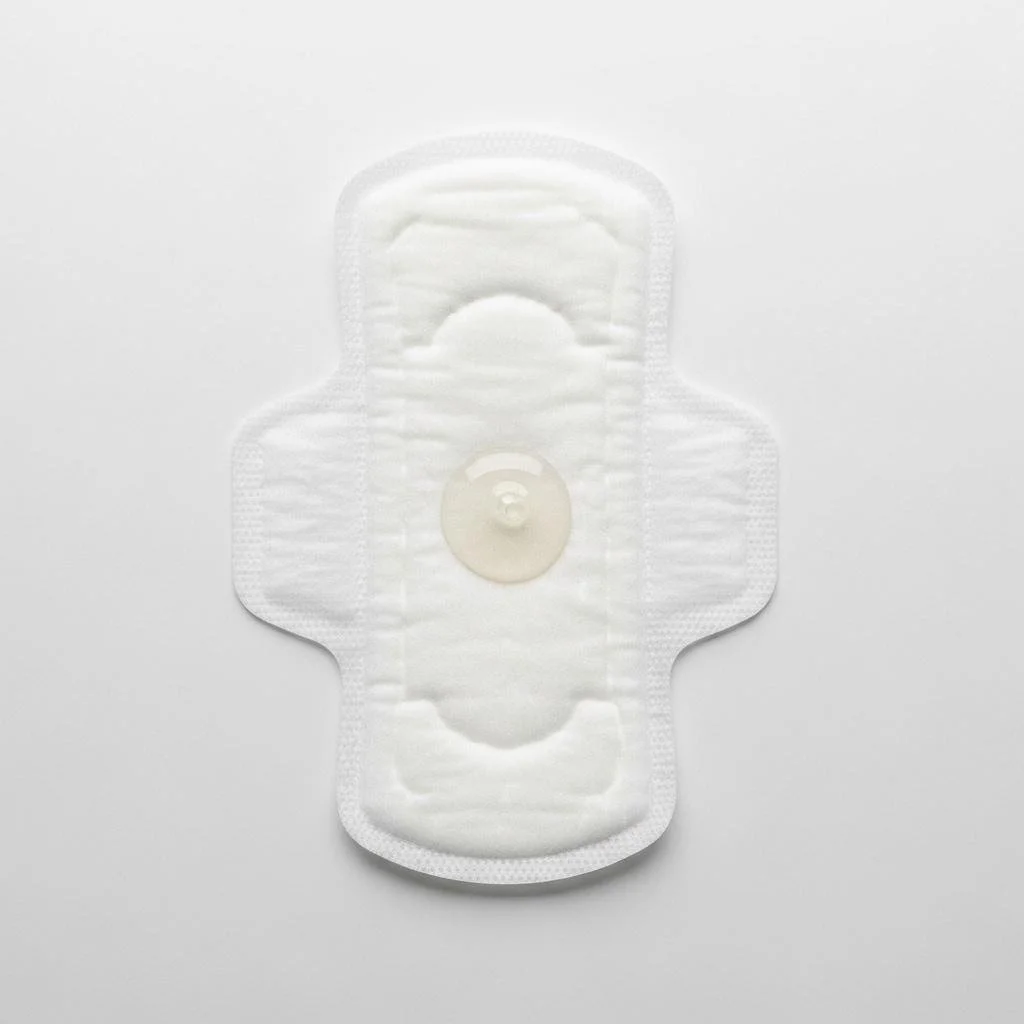
Contact your maternity unit or midwife as soon as you suspect your waters have broken.
This applies even if you are not having contractions. Your maternity team will ask about the colour and smell of the fluid, when the leaking started and whether your baby is moving normally.
They will advise you whether to come in immediately and what assessment is needed.
If the fluid is green, brown or has an unpleasant smell, seek urgent assessment. These changes can indicate that your baby needs closer monitoring.
Your baby is moving less than usual
Your baby's movements are an important indication of their wellbeing.
Towards the end of pregnancy, movements may feel different as your baby grows, but you should continue to feel your baby moving. A noticeable reduction or change in your baby's usual movement pattern should never be dismissed as simply having less space.
Contact your maternity unit immediately if you notice reduced or absent movements. Do not wait until the next day or rely on trying to make your baby move before asking for medical advice.
You experience vaginal bleeding
A small amount of blood-streaked mucus can occur as the cervix changes. However, fresh red bleeding, bleeding similar to a period or bleeding accompanied by abdominal pain needs immediate medical assessment.
Do not assume that bleeding is simply part of labour. Contact your maternity team and follow their instructions.
If the bleeding is heavy or you feel faint or unwell, call emergency services.
You have severe or constant abdominal pain
Contractions normally build up, reach a peak and then ease. There is usually a period of relief between them.
If you experience severe, continuous abdominal pain that does not settle between contractions, seek immediate medical attention.
The same applies if you develop severe pain that feels unusual or different from your normal contraction pattern.
You think you might be in preterm labour
If you are less than 37 weeks pregnant and experience regular contractions, pelvic pressure, lower back pain, bleeding or fluid leaking from your vagina, contact your maternity unit immediately.
These symptoms can indicate preterm labour or another pregnancy complication. Do not wait until contractions become frequent or painful.
Early assessment can make a difference to the care available for you and your baby.
What If You Have a Planned Caesarean or Are Expecting Twins?
Some pregnancies require a different approach to deciding when to go to the hospital.
If you have a planned caesarean birth, your maternity team will usually give you specific instructions about what to do if contractions begin or your waters break before your scheduled date.
Do not wait for labour to become established. Contact the hospital as soon as you notice signs of labour so that the team can assess you and decide what needs to happen next.
The same applies if you are expecting twins or more than one baby. Multiple pregnancies are generally managed with additional monitoring, and your care team may recommend going to hospital earlier than they would for an uncomplicated singleton pregnancy.
If you have high blood pressure, gestational diabetes, concerns about your baby's growth, a previous complicated birth or any other pregnancy-related risk factor, follow the individual advice you have received.
Your own maternity plan should always take priority over general online guidance.
What Should You Do While Waiting to Go to the Hospital?
If your maternity team advises you to remain at home during early labour, there are several things you can do to stay comfortable and prepare for the journey.
Time your contractions
Keep track of when contractions begin, how long they last and how much time passes between them.
You can use a contraction timer on your phone or simply write the information down. You do not need to monitor every detail obsessively. The aim is to recognise whether a consistent pattern is developing.
Keep yourself comfortable
Try changing positions, walking gently around your home or leaning forward over a chair or exercise ball if that feels comfortable.
Some women find warmth helpful. A warm shower or bath may ease tension and help them relax, provided their maternity team has not advised otherwise.
Breathing slowly and relaxing your shoulders and jaw can also help you work through each contraction.
Rest and stay hydrated
Early labour can take time, so try to conserve your energy.
If you feel tired, rest between contractions. Drink water regularly and eat light food if you feel hungry and your maternity team has not advised you to avoid eating.
You do not need to spend the early hours constantly walking or trying to encourage labour to progress. Rest is just as important.
Keep your hospital essentials ready
Make sure your hospital bag, pregnancy documents and any important medical information are easy to find.
If you are giving birth in Vienna, check the instructions provided by your chosen maternity hospital. Some facilities may have specific arrangements for registration, admission or arrival outside normal visiting hours.
It is also helpful to have your partner's phone charged and your transport arrangements confirmed.
What Happens When You Arrive at the Hospital in Vienna?

If you arrive at the hospital because you think labour has started, the maternity team will first want to understand what has been happening.
A midwife or another member of the maternity team will usually ask about your contractions, whether your waters have broken, your baby's movements and any other symptoms you have experienced.
Depending on your situation, they may check your blood pressure, pulse and temperature. They may also monitor your baby's heartbeat and your contractions using cardiotocography, commonly known as CTG.
A vaginal examination may be offered to assess whether your cervix is opening. This can help the team understand whether labour is progressing, although an examination is not necessarily needed in every situation.
Once the assessment is complete, the team will discuss the next steps with you.
If labour is progressing, you may be admitted to the labour ward. If you are still in the early stages and you and your baby are well, the team may recommend returning home for a while.
Being asked to go home does not mean that your concerns were unnecessary. Labour can take time to establish, and the team may feel that you would be more comfortable resting in your own environment.
If you are advised to return home, make sure you understand which symptoms should prompt you to come back and whom to contact if anything changes.
What If You Are Unsure Whether It Is Time to Go?
It is completely normal to feel uncertain, particularly if this is your first birth.
You may worry about arriving too early and being sent home. You may also feel concerned about leaving too late and not reaching the hospital in time.
The important thing to remember is that you do not have to make this decision alone.
Call your maternity unit or midwife and explain what you are experiencing. Describe the frequency and duration of your contractions, whether your waters have broken and how your baby is moving.
If something feels wrong, trust yourself enough to ask for help. You do not need to wait until symptoms become unbearable before making that call.
If you cannot reach your maternity team and you are concerned about an urgent symptom, seek medical assessment rather than waiting for a call back.
How Mona Alkhelewi Can Help You Prepare for the Journey to Hospital
Knowing when to leave for the hospital is not only about understanding contraction timings. It is also about feeling confident enough to recognise changes, communicate your needs and make decisions when labour begins.
Mona Alkhelewi is a birth and postpartum doula based in Vienna, supporting expectant parents in both English and German. Her work focuses on helping women feel informed, prepared and emotionally supported throughout pregnancy, birth and the postpartum period.
During birth preparation, a doula can help you think through practical questions such as when to contact your maternity unit, what to pack, how to organise transport and what your partner can do when contractions begin.
Mona can also help you prepare for different possibilities, including arriving at the hospital during early labour or needing to adjust your original birth preferences.
A doula does not replace a midwife, doctor or other medical professional. She does not assess whether labour is medically established or decide when hospital admission is necessary. Instead, she offers continuous emotional and practical support, helping you feel less overwhelmed as you navigate the experience.
For international families in Vienna, having someone who understands the local birth environment and can communicate in English or German can make the preparation process feel more manageable.
Frequently Asked Questions
-
Vienna's birth information guidance suggests going to the hospital or contacting your midwife when regular contractions occur every four to five minutes and last longer than 40 to 50 seconds.
However, this is a general indication rather than a rule for every pregnancy. Your maternity team may recommend going earlier depending on your medical history, previous births and travel time.
-
Not necessarily. Early contractions can be irregular and relatively mild, and labour may take time to become established.
If your pregnancy is uncomplicated and your maternity team has not given you different instructions, you may be advised to remain at home during early labour. Contact your midwife or hospital for guidance if contractions become regular, stronger or difficult to manage.
-
Yes, you should contact your maternity unit or midwife as soon as your waters break, even if contractions have not started.
Your care team will advise whether you need to come in for an assessment. The colour and smell of the fluid, your baby's movements and how many weeks pregnant you are will all be relevant.
-
Yes. If you are assessed and found to be in early labour, and both you and your baby are well, the maternity team may recommend returning home until labour becomes more established.
They should explain what to look out for and when to return. If your symptoms change or you become concerned, contact them again.
-
You may need to leave earlier, particularly if your previous labour progressed quickly.
Labour can be shorter in subsequent pregnancies, although this is not always the case. Discuss your previous birth experience with your midwife and agree on a suitable plan before your due date.
-
A strong, uncontrollable urge to push can indicate that your baby is close to being born.
If you feel that your baby is coming now, call emergency services immediately. In Austria, the ambulance emergency number is 144. Do not attempt to drive yourself to hospital.
-
Yes. A noticeable reduction or change in your baby's usual movements needs immediate assessment.
Do not wait for your next appointment or until contractions begin. Contact your maternity unit straight away and follow its instructions.
-
Contact your maternity unit immediately if you experience regular contractions, pelvic pressure, lower back pain, bleeding or fluid leaking before 37 weeks.
These symptoms can indicate preterm labour and need prompt assessment, even if the contractions are not particularly painful.
-
Yes. If you are unsure whether you should come in, contacting your chosen maternity unit is a sensible first step, provided you are not experiencing an emergency.
Explain your symptoms and follow the instructions you receive. If you have heavy bleeding, severe continuous pain, feel seriously unwell or believe your baby is about to be born, call 144 rather than delaying to make a routine enquiry.
-
Your hospital bag should include comfortable clothing, toiletries, maternity pads, items for your baby and anything you need for your stay.
Also keep your relevant pregnancy documents, identification and any hospital registration information accessible. Check the specific requirements of your chosen maternity hospital before your due date.
Final Thoughts
Knowing when to go to the hospital during labour can make the final weeks of pregnancy feel less uncertain. While contraction timings offer a useful starting point, they are only one part of the decision.
Pay attention to how your labour is progressing, consider your individual circumstances and contact your maternity team when you need guidance. Do not wait for regular contractions if your waters break, your baby moves less than usual, you experience significant bleeding or you have other concerning symptoms.
If you are planning to give birth in Vienna, take some time before your due date to understand your chosen hospital's arrangements, organise your journey and discuss your personal admission plan with your midwife or doctor.
Most importantly, remember that asking for help is never a sign that you are overreacting. You deserve to feel informed, supported and confident as you prepare to meet your baby.
Sources Used
The following resources were consulted when preparing this article. They provide medical and local guidance on recognising labour, contraction patterns and deciding when to seek maternity care.
Geburtsinfo Wien: Wenn die Geburt beginnt
https://geburtsinfo.wien/alles-zur-geburt/wenn-die-geburt-beginnt/Austrian Ministry of Social Affairs, Health, Care and Consumer Protection: Geburt eines Kindes: Infos zum Geburtsablauf
https://www.gesundheit.gv.at/leben/eltern/geburt/ablauf.htmlAustrian Ministry of Social Affairs, Health, Care and Consumer Protection: Frühgeburt
https://www.gesundheit.gv.at/leben/eltern/geburt/fruehgeburt.htmlAmerican College of Obstetricians and Gynecologists: How to Tell When Labor Begins
https://www.acog.org/womens-health/faqs/how-to-tell-when-labor-beginsNHS: Signs That Labour Has Begun
https://www.nhs.uk/pregnancy/labour-and-birth/signs-that-labour-has-begun/NHS: The Stages of Labour and Birth
https://www.nhs.uk/pregnancy/labour-and-birth/the-stages-of-labour-and-birth/University College London Hospitals: Going into Labour
https://www.uclh.nhs.uk/our-services/find-service/womens-health-1/maternity-services/giving-birth/going-labourGeburtshilfe Wien: Frequently Asked Questions
https://www.geburtshilfe-wien.at/en/additional-information/faqsMona Alkhelewi: Birth and Postpartum Doula in Vienna
https://www.monaalkhelewi.com/